
Key Takeaways
- Creative classroom activities can boost reading engagement and literacy among third graders.
- Art, performance, and collaborative tasks are valuable for deepening comprehension and enjoyment.
- Well-designed reading activities can foster both teamwork and independent critical thinking skills.
Reading forms the foundation of academic growth, and making the experience joyful can drastically improve third graders’ love for learning. Teachers can create memorable lessons by weaving creativity and excitement into reading instruction. For more ideas on engaging lesson plans tailored for third graders, view the page.
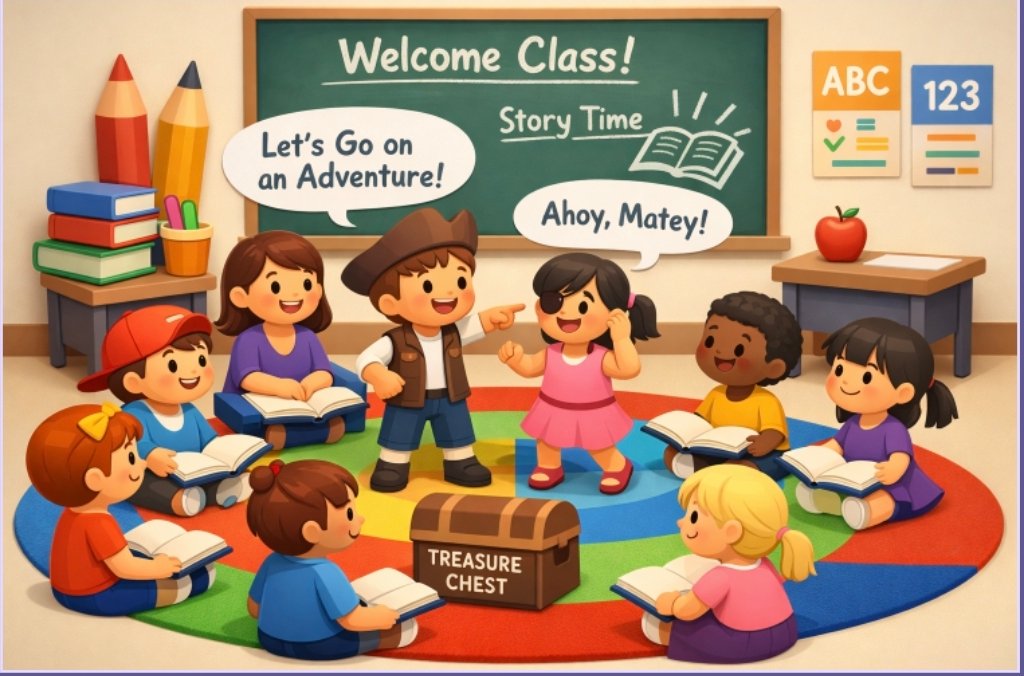
Beyond developing literacy skills, fun and meaningful reading activities can foster confidence and collaboration among students. By incorporating hands-on projects, performance, and games, educators can transform reading from a routine task into a classroom highlight that inspires every child to participate and grow.
These activities are especially important in third grade, where students transition from learning to read to reading to learn. Encouraging teamwork, creativity, and critical thinking through group work and performance has long been recognized as effective by educators. The right mix of approaches helps every learner find their stride while exploring new genres and texts.
Pairing innovative strategies with traditional elements maximizes student engagement while building essential skills for future academic success. Whether students love acting, drawing, or working with others, these interactive reading activities meet diverse needs and spark a lifelong passion for books.
1. Story Charades
Turning stories into charades can turn any ordinary lesson into an active and engaging experience. Divide the class into small groups and assign each one a scene from a story they have read. Students then act out their scenes while classmates guess the story and the specific plot points being depicted.
This approach encourages children to analyze character motivations, plot structure, and sequence of events. By interpreting stories through movement and gestures, students reinforce their understanding of key narrative elements while learning from their peers’ interpretations.
2. Reading Theater
Reading theater transforms prose into performance, strengthening fluency through repetitive and expressive reading. Assign roles to each student from a classroom-friendly script or adapted text. Allow them to rehearse in groups before presenting their play to the class.
Reading theater helps students work on tone, pronunciation, and pacing. Performing in front of classmates can also build confidence, improve listening and speaking skills, and foster a sense of accomplishment. Reading Rocketshighlights that drama can deepen text comprehension by encouraging children to embody different characters and perspectives.
3. Book Clubs
Forming small book clubs allows students to select a book based on their interests and reading level. After reading, groups hold discussions to reflect on the plots, themes, and characters. Students learn to listen actively, articulate ideas, and respect differing viewpoints during their conversations.
This collaborative reading model nurtures critical thinking. Assign rotating roles such as discussion leader, summarizer, or vocabulary captain, to involve every student and maintain a lively exchange. Book clubs not only make reading social but also encourage curiosity and shared discovery.
4. Picture Prompts
Using vivid images as writing prompts is a great way to stimulate students’ imaginations. Select engaging and varied pictures, then invite students to craft a short story or descriptive paragraph inspired by what they observe. Encourage children to look for details in the image and ask questions that lead to deeper connections with possible characters and scenarios.
These imaginative exercises help young readers make inferences, build vocabulary, and practice creative expression. According to Reading Rockets, visual cues can spark narrative thinking and improve both storytelling and analytical skills in young writers.
5. Partner Reading
Pair students and have them alternate reading sections from a shared text, helping each other with difficult words and questions along the way. This buddy system fosters both reading confidence and peer mentorship. Students improve their pronunciation and expression and gain valuable listening practice when they support one another.
Partner reading can be especially beneficial for struggling readers who may feel more comfortable reading aloud to a peer than to the entire class. This method helps nurture a supportive classroom environment while enhancing fluency and comprehension skills.
6. Interactive Book Reports
Traditional book reports can be made more engaging with a creative twist. Invite students to design dioramas of their favorite scenes, craft digital slideshows, or develop storyboards that outline the main events of a book. This process encourages students to dig deeper into the material while using alternative forms of expression.
By allowing various presentation styles, students can connect with texts through art, design, and technology, making reading assignments more personal and motivating.
7. Graphic Organizers
Visual tools like Venn diagrams, story maps, and cause-and-effect charts are invaluable for helping students organize thoughts and extract key information from texts. By mapping out main ideas, sequencing events, or comparing characters, students create a visual summary that aids memory and understanding.
Graphic organizers can also serve as scaffolds for reluctant writers, making complex information clear and manageable. Educators often use these strategies to help students see relationships and deepen analytical thinking across all subject areas.
8. Reading Scavenger Hunt
A reading scavenger hunt transforms the classroom into a place of exploration. Provide students with a list of specific items or clues to search for within a chosen book or anthology. These can include vocabulary words, character names, key themes, or inference-based answers.
This engaging game keeps students attentive and motivates them to actively participate in reading. It is particularly effective for honing observation skills and reinforcing careful reading and text analysis.
Bringing these dynamic strategies into the third-grade classroom not only cultivates stronger readers but also awakens curiosity and enthusiasm for learning. By allowing students to experience reading in artistic, social, and playful ways, educators lay the groundwork for academic success and a lifelong love of literature.