
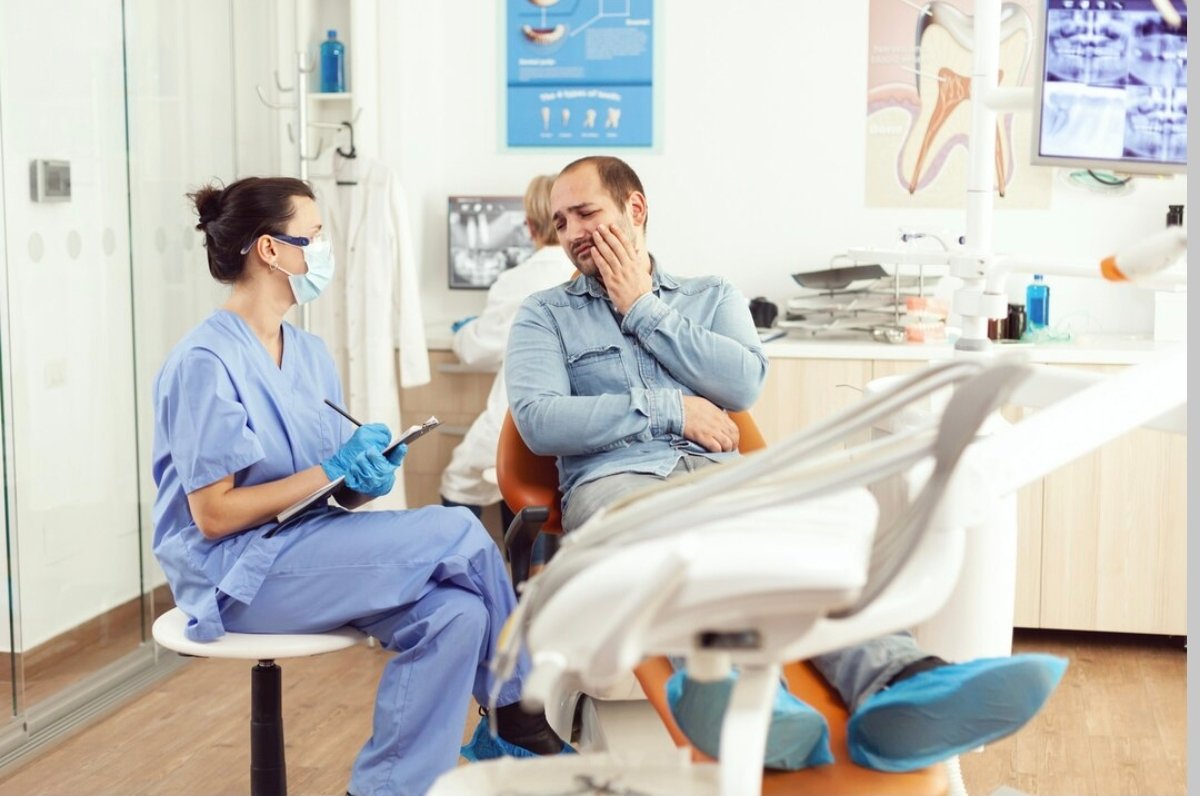
A hard fall, a sports collision, or an unexpected blow to the face can damage a tooth within seconds. The pain may be immediate, but some serious injuries cause little discomfort at first. A tooth can look normal while its root, nerve, or supporting bone has been harmed.
That is why dental trauma should never be judged by appearance alone.
A small chip may only need smoothing or bonding. A loose tooth may need to be moved back into position and stabilized. A fully knocked-out permanent tooth may still be saved, but the actions taken during the first few minutes can affect the result.
Dentists treat these injuries by first controlling pain and bleeding, then checking the teeth, gums, jaw, and nearby tissues. Treatment depends on the type of injury, whether the damaged tooth is a baby tooth or a permanent tooth, and how quickly the patient receives care.
This guide explains how dentists diagnose and treat sudden tooth injuries, what patients should do before reaching the dental office, and why follow-up care matters long after the first appointment.
Important: This article provides general information. Sudden tooth injuries require professional assessment. Call an emergency dentist promptly after a significant blow to the teeth or mouth.
What Is Dental Trauma?
Dental trauma is an injury involving one or more teeth or the tissues that support them. It can affect the tooth enamel, dentin, pulp, root, gums, periodontal ligament, or jawbone.
Some injuries are easy to see. Others may remain hidden beneath the gumline.
Common causes include:
- Sports collisions
- Falls at home or school
- Bicycle and scooter accidents
- Car accidents
- Workplace injuries
- Biting a hard object
- Physical assault
- Accidents involving playground equipment
- Sudden impact to the chin or jaw
The front teeth are commonly affected because they are more exposed during a fall or direct impact. However, back teeth can also crack after a forceful bite or blow to the lower jaw.
The International Association of Dental Traumatology notes that correct diagnosis, treatment planning, and follow-up are important for improving the outcome of fractures and displaced permanent teeth.
Why Fast Treatment Matters
A damaged tooth is living tissue. Blood vessels and nerves enter through the end of the root, while tiny fibers hold the root inside its socket. A sudden impact can disturb these structures even when the outer tooth remains intact.
Early dental care can help:
- Preserve the natural tooth
- Protect exposed nerves
- Reduce infection risks
- Control pain and bleeding
- Stabilize loose or displaced teeth
- Support healing of the gums and bone
- Lower the risk of further damage
- Improve the final appearance of the smile
Time is especially important when a permanent tooth has been knocked completely out. The condition of the cells on the root surface affects whether the tooth can reconnect with the socket. The IADT describes avulsion as one of the most serious dental injuries and states that prompt, correct emergency care gives the tooth the best chance of a favorable outcome.
Waiting can make treatment more difficult. It may also increase the risk of infection, root damage, tooth loss, or changes in tooth color.
When Dental Trauma Is Also a Medical Emergency
Not every facial injury should be taken directly to a dental office. Some accidents involve the head, neck, airway, or facial bones and require emergency medical care first.
Go to an emergency department or call emergency services when the injured person has:
- Loss of consciousness
- Confusion or unusual sleepiness
- Repeated vomiting
- A severe or worsening headache
- Trouble breathing or swallowing
- Heavy bleeding that does not slow with pressure
- Neck pain after a fall or collision
- Unequal pupils
- Seizure activity
- Fluid coming from the nose or ears
- A deep facial wound
- A jaw that appears bent or out of place
- An inability to open or close the mouth
- Numbness across the face or lower lip
- Several missing teeth after a major impact
Medical staff can address life-threatening concerns first. A dentist or oral and maxillofacial surgeon may then become involved in treating the teeth and facial structures.
What to Do Immediately After a Dental Injury
The steps taken before the dental appointment can protect injured tissues and, in some cases, help save a tooth.
Stay Calm and Check the Person
First, confirm that the person is alert and breathing normally. Ask what happened and check for signs of a head or neck injury.
Do not move someone who may have a serious neck injury unless the location is unsafe.
Control Bleeding
Use clean gauze or a clean folded cloth to apply gentle pressure to bleeding gums or lips. Avoid pressing directly on a tooth that has been pushed out of position.
If the bleeding is heavy or continues despite steady pressure, seek urgent medical care.
Reduce Swelling
Place a cold pack against the outside of the face for short intervals. Wrap ice in a towel rather than applying it directly to the skin.
Cold therapy may reduce swelling and discomfort, but it does not replace a dental examination.
Find Broken Tooth Pieces
Look for any broken pieces of the tooth. Pick them up carefully and place them in a clean container.
A dentist may sometimes bond a suitable tooth fragment back into place. If that is not possible, the fragment can still help the dentist understand how much of the tooth was lost.
Do Not Test a Loose Tooth
Avoid wiggling, pulling, or repeatedly touching a loose tooth. Movement may damage the remaining supporting fibers.
The patient should also avoid biting with the injured area.
What to Do When a Permanent Tooth Is Knocked Out
A knocked-out tooth is called an avulsed tooth. This is a true dental emergency.
Handle the Tooth by the Crown
Pick up the tooth by the crown, which is the white part normally visible in the mouth.
Do not hold it by the root. Touching or scraping the root can damage the cells needed for healing.
Rinse It Gently When Necessary
If the tooth is dirty, rinse it briefly and gently. Do not scrub it, brush it, scrape it, or use soap, alcohol, peroxide, or household cleaning products.
Place It Back in the Socket When Safe
When the patient is conscious, cooperative, and old enough not to swallow the tooth, a permanent tooth may be placed back into its socket.
Confirm that it is facing the correct direction. Push it into place using light pressure, then ask the patient to bite gently on clean gauze.
Do not force the tooth if it does not slide into place easily.
Keep It Moist
If immediate replacement is not possible, place the tooth in milk or an approved tooth-preservation solution. Saliva may be used when no better option is available and the patient can provide it safely in a container.
Do not let the tooth dry out. Do not wrap it in tissue or store it in plain tap water for a long period.
The NHS advises holding a knocked-out tooth by the crown, rinsing it gently when dirty, replacing it when possible, or keeping it in milk or saliva while seeking urgent dental treatment.
Never Replant a Baby Tooth
A knocked-out baby tooth should not be placed back into the socket. Replanting it may injure the permanent tooth developing underneath.
Primary and permanent teeth require different treatment approaches because of the close relationship between baby-tooth roots and developing adult teeth.
How Dentists Examine Sudden Dental Trauma
Before dentists treat dental trauma, they need to determine exactly which structures were harmed. The visible damage may be only one part of the injury.
Medical and Accident History
The dentist may ask:
- When did the injury happen?
- Where did it happen?
- How did the impact occur?
- Was the patient unconscious?
- Has the patient vomited?
- Did the teeth come into contact with dirt or another contaminated surface?
- Has the patient received a tetanus vaccination?
- Is the patient taking blood-thinning medicine?
- Does the patient have any medical conditions or allergies?
- Has the tooth been injured before?
- Was a knocked-out tooth stored in liquid?
- How long was it outside the mouth?
These details help the dentist choose safe treatment and estimate the risk of complications.
Visual Examination
The dentist checks the:
- Tooth surface
- Gumline
- Lips
- Tongue
- Inner cheeks
- Floor of the mouth
- Roof of the mouth
- Bite position
- Facial symmetry
Cuts may contain pieces of tooth, dirt, gravel, glass, or another foreign material. Good lighting and careful inspection are important.
Mobility Testing
Each affected tooth may be moved gently to check whether it is loose. The dentist also examines nearby teeth because the force of an accident can spread beyond the most obvious injury.
Movement of several teeth together may suggest an injury to the surrounding bone.
Percussion Testing
The dentist may tap the tooth lightly. A different sound or unusual tenderness can suggest damage to the periodontal ligament, root, or bone.
Bite Assessment
The patient may be asked to close the teeth slowly.
A bite that suddenly feels uneven can mean that a tooth has shifted, a tooth has been pushed deeper into the socket, or the jawbone has fractured.
Pulp Sensibility Testing
Cold or electrical testing may be used to check the tooth’s response. However, a recently injured tooth may not respond normally even when the pulp is still alive.
For that reason, one early test does not always provide a final answer. Dentists often repeat pulp tests during follow-up appointments.
Dental X-Rays
X-rays help reveal injuries that cannot be seen directly, including:
- Root fractures
- Bone fractures
- Teeth pushed into the socket
- Tooth fragments inside the lip
- Changes around the root
- Damage to developing permanent teeth
- The position of an avulsed or displaced tooth
The dentist may take images from more than one angle. Cone-beam computed tomography may be considered when standard images do not provide enough information.
Photographs and Records
Clinical photographs document the original condition of the teeth and soft tissues. They can be useful during follow-up care, dental restoration, and insurance claims.
The dentist records the tooth’s position, mobility, color, sensitivity, and response to testing. These baseline findings help identify later changes.
How Dentists Treat Chipped Teeth
A chipped tooth may involve only the enamel or may extend into deeper layers.
Minor Enamel Chips
Small enamel chips may feel sharp but often cause little pain.
Treatment may include:
- Smoothing a rough edge
- Polishing the damaged area
- Applying a protective material
- Restoring the missing area with tooth-colored composite
The dentist still checks the tooth for cracks and confirms that the bite has not changed.
Enamel and Dentin Fractures
Dentin is the yellowish layer under enamel. When it becomes exposed, the tooth may feel sensitive to air, cold drinks, sweets, or touch.
The dentist may cover the dentin with:
- A protective liner
- Dental bonding material
- Tooth-colored composite
- A reattached tooth fragment
Covering exposed dentin helps reduce sensitivity and protects the pulp from bacteria.
Reattaching the Broken Piece
When the patient brings the broken fragment, the dentist examines its size and condition. A clean, well-fitting fragment may sometimes be bonded back onto the tooth.
This can preserve natural shape, texture, and color.
If reattachment is not suitable, composite resin can be shaped and polished to rebuild the missing area.
How Dentists Treat a Tooth With an Exposed Nerve
A deeper fracture may open the pulp chamber. The center of the tooth contains blood vessels, nerves, and connective tissue.
Signs of pulp exposure may include:
- A red or pink spot in the broken tooth
- Bleeding from the center of the tooth
- Strong sensitivity to temperature
- Pain when air touches the area
- Throbbing discomfort
Treatment depends on the patient’s age, root development, contamination, time since injury, and the condition of the pulp.
Direct Pulp Protection
For a small, recent exposure with healthy surrounding tissue, the dentist may place a protective material directly over the pulp.
The tooth is then restored to form a tight seal.
Partial Pulpotomy
A partial pulpotomy removes a small amount of inflamed pulp tissue near the exposure. Healthy tissue deeper inside the tooth is preserved and covered with a dental material.
This approach is often considered for young permanent teeth because maintaining a living pulp can allow the root to continue developing.
The IADT states that immature permanent teeth have a strong capacity for healing and that efforts should be made to preserve their pulp when possible.
Root Canal Treatment
A root canal may be needed when the pulp is severely damaged, infected, or no longer alive.
During treatment, the dentist or endodontist:
- Removes injured or infected pulp tissue.
- Cleans and shapes the root canals.
- Disinfects the internal space.
- Fills and seals the canals.
- Restores the outer tooth.
A crown may later be recommended if the tooth has lost a large amount of structure.
How Dentists Treat Cracked Teeth
Cracks vary in depth and direction. Some remain within the enamel, while others extend toward the root.
Craze Lines
Craze lines are thin surface lines in the enamel. They may not require structural treatment when they are shallow and symptom-free.
A dentist may monitor them or discuss cosmetic options if they affect appearance.
Fractured Cusp
A fractured cusp often affects part of a back tooth near a filling. The damaged part may be removed and rebuilt with a filling, onlay, or crown.
Deeper Cracks
A deeper crack may cause pain when chewing or when pressure is released. Treatment may involve:
- Bonded restoration
- Dental crown
- Root canal therapy
- Removal of the damaged section
- Extraction when the crack extends too far below the gum or through the root
Cracks do not heal like broken bones. Early stabilization may stop some cracks from spreading, but the outlook depends on their depth and location.
How Dentists Treat Crown-Root Fractures
A crown-root fracture begins in the visible part of the tooth and extends below the gumline.
The broken section may move when the patient bites or touches it. Because part of the damage is hidden under the gum, X-rays and close inspection are needed.
Possible treatments include:
- Stabilizing a loose fragment temporarily
- Removing the mobile fragment
- Protecting an exposed pulp
- Root canal treatment
- Reshaping the gum around the tooth
- Moving the remaining tooth structure upward with orthodontic care
- Surgical exposure of sound tooth structure
- Placing a crown after healing
- Extracting a tooth that cannot be restored
The dentist considers how far the fracture extends, whether the root is intact, and whether enough healthy tooth remains to support a lasting restoration.
How Dentists Treat Root Fractures
A root fracture occurs below the gumline. The crown may look normal, although the tooth may feel loose or appear slightly displaced.
Treatment may include:
- Repositioning the upper part of the tooth.
- Checking the position with an X-ray.
- Attaching a flexible splint.
- Monitoring pulp health.
- Repeating X-rays during follow-up care.
Some root fractures heal with hard tissue or connective tissue between the broken sections. Others develop pulp infection.
Root canal treatment is not always performed immediately. Dentists usually monitor the tooth unless testing and follow-up findings show that the pulp has died or infection has developed.
How Dentists Treat Loose Teeth
A tooth can become loose without changing position. This injury is often called subluxation.
The gum may bleed around the tooth, and biting may feel uncomfortable.
Treatment may include:
- Avoiding biting pressure on the tooth
- Adjusting the bite if another tooth strikes it
- A soft diet
- Careful oral hygiene
- A flexible splint when movement is uncomfortable
- Follow-up pulp testing
- Repeat X-rays
Mild looseness may improve as the supporting ligament heals. Greater mobility may require temporary stabilization.
How Dentists Treat Displaced Teeth
A displaced tooth has moved from its usual position but remains partly inside the socket.
Dentists classify these injuries by the direction of movement.
Extruded Tooth
An extruded tooth has been pulled partly out of the socket. It may look longer than nearby teeth and feel very loose.
The dentist may:
- Give local anesthesia
- Move the tooth gently back into position
- Confirm its position with an X-ray
- Apply a flexible splint
- Monitor pulp health
- Begin root canal care later if the pulp becomes infected or dies
Laterally Displaced Tooth
A lateral luxation occurs when a tooth is pushed forward, backward, or sideways. The root may become locked against the surrounding bone.
The tooth may appear fixed rather than loose.
Treatment may include:
- Freeing the tooth from its locked position
- Repositioning it in the socket
- Applying a flexible splint
- Checking the bite
- Monitoring the root, pulp, and surrounding bone
Because bone injury often occurs with lateral displacement, stabilization may be needed for longer than it is for a simple loose tooth.
Intruded Tooth
An intruded tooth has been pushed deeper into the jawbone. It may look shorter or seem to have disappeared.
Treatment depends greatly on root development.
A young permanent tooth with an unfinished root may be watched for natural movement back into position. In other cases, the dentist may use orthodontic or surgical methods to reposition it.
Mature permanent teeth may also require root canal treatment because severe intrusion can damage the pulp and root surface.
Intruded baby teeth are handled differently. The dentist evaluates the tooth’s direction, the child’s age, infection risk, and its relationship to the developing permanent tooth.
How Dentists Treat a Knocked-Out Permanent Tooth
At the dental office, the dentist first reviews how the tooth was handled and how long it remained outside the mouth.
Treatment may involve:
- Examining the socket
- Rinsing contaminated areas carefully
- Giving local anesthesia
- Replanting the tooth
- Confirming its position with an X-ray
- Applying a flexible splint
- Checking the bite
- Reviewing tetanus status
- Prescribing medicine when clinically indicated
- Planning root canal treatment when needed
- Scheduling close follow-up visits
The dentist may gently clean the area, but aggressive scraping of the root is usually avoided because it can damage remaining periodontal ligament cells.
After replanting, the tooth is attached to nearby teeth with a flexible splint. This allows limited natural movement while the supporting tissues heal.
The need and timing of root canal care depend on the stage of root development and the condition of the tooth. A permanent tooth with a fully formed root commonly needs root canal treatment after replantation. A young tooth with an open root may sometimes be monitored for healing and renewed blood supply.
A replanted tooth can still develop later complications, even when emergency treatment was performed correctly. Regular monitoring is therefore necessary.
How Dentists Treat Injuries to Baby Teeth
Baby teeth are not treated as smaller versions of adult teeth. Their roots sit close to developing permanent teeth.
The dentist considers:
- The child’s age
- The type of injury
- Whether the tooth is loose
- The direction of displacement
- The child’s ability to bite
- The risk of infection
- The amount of time before natural tooth loss
- The position of the permanent tooth underneath
Treatment may include:
- Observation
- Smoothing a sharp edge
- Restoring a fracture
- Removing a loose fragment
- Repositioning in selected cases
- Extracting a tooth that creates a swallowing risk
- Extracting a tooth associated with infection or severe displacement
A knocked-out baby tooth is not replanted.
Parents should watch for swelling, a gum pimple, fever, increasing pain, bad taste, or marked tooth discoloration. These signs require another dental evaluation.
How Dentists Treat Gum and Lip Injuries
Sudden impacts often damage soft tissues as well as teeth.
Cleaning the Wound
The dentist cleans the injured area and removes visible debris. Local anesthesia may be used before deeper cleaning.
Looking for Tooth Fragments
A missing tooth piece may become lodged inside the lip or cheek. The dentist may take an X-ray of the soft tissue when a fragment is suspected.
Suturing Cuts
Deep or open cuts may require stitches. The dentist checks the wound edges, depth, location, and level of contamination.
Injuries that cross the lip border require careful alignment because poor healing can affect appearance.
Checking Tetanus Status
A medical review may be advised when a wound was exposed to soil, rusted objects, animal bites, or other contaminated material and the patient’s tetanus protection is uncertain.
How Dentists Treat Jaw and Supporting-Bone Injuries
A strong impact can fracture the bone around one tooth, several teeth, or part of the jaw.
Possible signs include:
- Several teeth moving together
- A sudden change in the bite
- Facial swelling
- Jaw pain
- Difficulty opening the mouth
- Numbness of the lip or chin
- A step or uneven area in the gum
- Bleeding around several teeth
A small fracture involving the tooth socket may be repositioned and stabilized by a dentist.
Larger fractures may require care from an oral and maxillofacial surgeon. Treatment can include fixation devices, surgery, dietary restrictions, and follow-up imaging.
Pain Control After Dental Trauma
The dentist may numb the area during emergency treatment and recommend suitable pain relief afterward.
Medication choices depend on:
- Patient age
- Medical history
- Allergies
- Pregnancy
- Kidney or liver conditions
- Bleeding risks
- Current medications
- The type of dental injury
The American Dental Association publishes separate guidance for acute oral pain in adults, adolescents, and children. Patients should follow the dose recommended by their dentist, physician, or the medication label and should not combine products that contain the same active ingredient.
Antibiotics are not automatically required for every broken or loose tooth. They may be considered for certain avulsions, contaminated wounds, spreading infection, or specific medical risks.
What Is a Dental Splint?
A dental splint connects an injured tooth to nearby stable teeth. It is often made with a thin wire or flexible material bonded to the tooth surfaces.
Splints may be used after:
- Tooth avulsion
- Root fracture
- Extrusion
- Lateral displacement
- Significant looseness
- Fracture of the supporting bone
A flexible splint gives the injured tissues support without holding the tooth completely rigid.
While wearing a splint, patients should:
- Keep the area clean
- Use a soft toothbrush
- Avoid biting hard foods
- Avoid contact sports
- Attend the removal appointment
- Call the dentist if the splint breaks or feels loose
A splint should not remain in place longer than planned unless the dentist advises it.
Home Care After Emergency Treatment
Healing continues after the patient leaves the office. Good home care can reduce irritation and protect the injured area.
Follow a Soft Diet
Choose foods that require little chewing, such as:
- Yogurt
- Eggs
- Soft pasta
- Soup that is not too hot
- Mashed vegetables
- Soft rice
- Smoothies eaten with a spoon
- Tender fish
Avoid hard, sticky, crunchy, and very chewy foods until the dentist says normal eating can resume.
Keep the Mouth Clean
Brush carefully with a soft toothbrush. Do not stop cleaning the injured area unless the dentist gives specific instructions.
Plaque buildup can inflame the gums and interfere with healing.
The dentist may recommend an antibacterial mouth rinse for a limited period. Young children may need a parent to apply the solution carefully with gauze or a cotton swab rather than allowing them to rinse.
Avoid Further Pressure
Do not bite directly with the injured tooth. Avoid nail biting, chewing pens, opening packaging with the teeth, and other habits that place force on the area.
Watch for New Symptoms
Contact the dentist if the patient develops:
- Increasing pain
- Facial swelling
- Fever
- Drainage or a bad taste
- A loose splint
- A gum pimple
- Increasing tooth movement
- A marked change in tooth color
- Pain when biting
- New sensitivity
- A tooth that feels taller than the others
Why Follow-Up Visits Are Necessary
Emergency treatment is only the first stage of care.
Some complications appear weeks, months, or years after the original accident. Follow-up appointments allow the dentist to compare new findings with the original records.
The dentist may repeat:
- Pulp sensibility tests
- Tooth mobility checks
- Bite assessment
- Gum examination
- X-rays
- Clinical photographs
Follow-up schedules vary according to the injury. A minor enamel chip may need limited review, while avulsed, intruded, or root-fractured teeth require longer monitoring.
Possible Complications After Dental Trauma
Even a well-treated tooth may develop complications.
Pulp Necrosis
Pulp necrosis means the tissue inside the tooth has died. It can occur when the blood supply is severely damaged.
Signs may include pain, swelling, a gum pimple, tenderness, or changes around the root on an X-ray. Some teeth have no obvious symptoms.
Root canal treatment may be needed.
Tooth Discoloration
A tooth may become yellow, gray, pink, or darker after an injury.
A color change alone does not always confirm that the pulp is dead. The dentist combines color, symptoms, pulp tests, and X-ray findings before recommending treatment.
Root Resorption
Root resorption occurs when part of the root structure begins to break down. Trauma-related resorption can develop inside or outside the root.
Some forms progress quickly and need prompt treatment.
Ankylosis
Ankylosis occurs when the tooth root fuses directly to the bone. The tooth may produce a sharp or metallic sound when tapped and may stop moving normally as the jaw grows.
This complication is especially important in children because it may affect bone development and tooth alignment.
Pulp Canal Obliteration
The tooth may respond to trauma by placing more hard tissue inside the pulp space. This can make the tooth appear more yellow.
Many such teeth remain healthy, but they still require monitoring.
Infection
Infection can develop in the pulp, gum, socket, or surrounding bone. Swelling, fever, pus, worsening pain, or a bad taste should be reported promptly.
Tooth Loss
Some teeth cannot be saved because of severe root fractures, delayed treatment, extensive infection, or major loss of supporting bone.
When tooth loss occurs, the dentist explains temporary and permanent replacement choices.
Restoring Appearance After Healing
Once the injured tissues are stable, the dentist may address shape, color, and missing tooth structure.
Options can include:
- Composite bonding
- Tooth whitening
- Veneers
- Dental crowns
- Bridges
- Removable replacement teeth
- Dental implants
- Orthodontic treatment
The final choice depends on age, bone development, bite, gum health, tooth strength, and the amount of natural structure remaining.
Patients considering affordable cosmetic dentistry after an injury should first confirm that the tooth, root, and supporting tissues are healthy enough for long-term restoration.
Cosmetic work completed too early may need to be changed if the injured tooth later darkens, shifts, or requires root canal care.
How to Choose a Dentist for an Emergency Injury
A dental office treating trauma should be able to examine the patient promptly or direct the patient to the right emergency service.
When calling, explain:
- How the injury happened
- When it happened
- Whether the tooth is loose, broken, displaced, or missing
- Whether the patient lost consciousness
- Whether bleeding is controlled
- Whether the injured tooth is a baby tooth or a permanent tooth
- How a knocked-out tooth is being stored
Someone searching for a dentist in Westfield, NJ, should ask whether the office handles urgent tooth injuries, takes emergency X-rays, provides splinting, and works with endodontists or oral surgeons when a referral is needed.
Do not delay urgent care while comparing cosmetic services, prices, or routine appointment availability.
Can Dental Trauma Be Prevented?
Not every accident can be prevented, but certain habits can reduce the risk and severity of injuries.
Wear a Sports Mouthguard
A properly fitted mouthguard can protect the teeth, lips, gums, and jaw during contact and high-speed sports.
Mouthguards may be useful for:
- Football
- Hockey
- Basketball
- Soccer
- Martial arts
- Boxing
- Wrestling
- Skateboarding
- Gymnastics
- Mountain biking
A custom-made mouthguard usually offers a more secure fit than a loose stock guard.
Use Protective Equipment
Helmets, face shields, seat belts, and suitable workplace equipment help reduce facial injuries.
Reduce Fall Risks at Home
Use safety gates, secure loose rugs, keep stairs clear, and supervise young children around furniture and playground equipment.
Avoid Using Teeth as Tools
Do not use teeth to:
- Open bottles
- Tear plastic
- Cut fishing line
- Crack nuts
- Hold nails or pins
- Open packages
These habits can cause chips and cracks without a major accident.
Address Bite and Tooth-Position Risks
Front teeth that project far forward may face a higher injury risk. Orthodontic assessment may help in suitable cases.
Frequently Asked Questions
Is every chipped tooth an emergency?
A very small chip without pain may not require treatment within minutes, but it should still be examined. Larger fractures, sharp edges, bleeding from inside the tooth, severe sensitivity, or a change in the bite require faster care.
Can a dentist save a tooth that was knocked out?
A permanent tooth may be saved when it is handled correctly and treated quickly. The result depends on factors such as time outside the mouth, storage conditions, root development, contamination, and damage to the socket.
A baby tooth should not be replanted.
What should I do if I cannot find the knocked-out tooth?
Seek emergency dental care. The tooth may have been swallowed, inhaled, pushed into tissue, or lost at the accident site.
Breathing trouble, coughing, or chest discomfort requires urgent medical assessment.
Should I put a knocked-out tooth in water?
Milk or an approved tooth-preservation solution is generally preferred. The goal is to keep the root moist without causing further damage to its cells.
Do not store the tooth dry or wrap it in tissue.
Can a loose tooth tighten again?
Some mildly loose teeth become stable as the supporting ligament heals. The outcome depends on the extent of the injury. A dentist may use a temporary flexible splint when movement is significant or uncomfortable.
Why did my injured tooth turn gray?
A gray color can occur after bleeding or damage inside the tooth. It may also indicate loss of pulp vitality. The dentist must evaluate symptoms, pulp responses, and X-rays before deciding whether treatment is required.
Does every traumatic tooth injury need a root canal?
No. Root canal treatment is recommended when the pulp is infected, dead, or unlikely to recover. Many minor fractures and some loose or root-fractured teeth can heal without it.
How long does healing take?
Soft tissues may begin improving within days, while the ligament and bone can take several weeks. Pulp and root complications may develop much later, which is why scheduled follow-up remains important.
Can a broken tooth piece be reattached?
Sometimes. Bring the fragment to the dentist in a clean container. The dentist will check whether it fits well and has enough sound structure for bonding.
Can I play sports after treatment?
Avoid contact sports until the dentist confirms that the tooth and supporting tissues are stable. Returning too early may cause another injury or damage a splint.
Conclusion
Sudden dental trauma can range from a small enamel chip to a serious injury involving the pulp, root, gums, or jawbone. The correct response depends on the exact type of damage.
Dentists begin by checking the patient’s overall safety, controlling pain and bleeding, examining the bite, testing the injured teeth, and taking X-rays. Treatment may involve bonding, pulp therapy, root canal care, repositioning, splinting, wound repair, or referral to an oral surgeon.
A knocked-out permanent tooth requires immediate action. Handle it by the crown, keep it moist, and seek emergency care without delay. Never replant a baby tooth.
Even when a tooth looks better after the first appointment, follow-up visits remain necessary. Some complications develop slowly and may not cause early pain. Timely care, careful home hygiene, and long-term monitoring give injured teeth the strongest chance of remaining healthy and functional.