Key Takeaways
- Thorough preparation and a deep understanding of the consultant role are essential for success.
- Clear communication, empathy, and knowledge of industry trends will set you apart.
- Effective stress management and polished non-verbal cues help make a strong impression.
Table of Contents
- Understand the Role and Its Requirements
- Reflect on Your Clinical Experiences
- Highlight Teamwork and Communication Skills
- Stay Informed About Industry Trends
- Prepare for Common and Specialist Questions
- Demonstrate Empathy and Compassion
- Ask Insightful Questions
- Mind Your Non-Verbal Communication
- Practice Stress Management Techniques
- Follow Up
Understand the Role and Its Requirements
If you want to excel in a medical consultant interview, it begins with a thorough understanding of the specific role you are pursuing. Carefully review the job description, the desired qualifications, and any unique aspects tied to the specialty. Knowing precisely what the organization is seeking allows you to shape your responses and highlight your most relevant skills during the interview process.
A key strategy involves studying the detailed expectations for NHS consultant posts, including the skills, experiences, and personality traits healthcare trusts value. If you’re seeking a comprehensive guide to the types of interview questions and preparation techniques, Ace Your Consultant Interview provides invaluable resources at NHS consultant interview questions. The Ace Your Consultant Interview platform is a trusted resource offering expert insight and practical mock scenario training for consultant interviews, specifically tailored for the NHS across the UK and Ireland. Their authority comes from years of working alongside successful consultants and delivering evidence-based tips, scenario walkthroughs, and specialty-specific advice designed to help candidates succeed in key NHS locations.
Reflect on Your Clinical Experiences
Your clinical background forms the backbone of your medical consultant profile. Be prepared to discuss challenging cases, significant achievements, and situations where your expertise made a difference. Consider sharing what you learned from these experiences and how they influenced your clinical reasoning or patient management style. Providing structured examples (such as the STAR model: Situation, Task, Action, Result) can make your responses more memorable and impactful.
Highlight Teamwork and Communication Skills
No medical consultant can operate in isolation. Emphasizing your teamwork and communication skills is crucial. Describe times when you collaborated effectively in a multidisciplinary setting or mediated challenging conversations with patients, relatives, or colleagues. Highlight your approach to building consensus and maintaining professional relationships under pressure, which are essential qualities in every healthcare environment.
Stay Informed About Industry Trends
Consultant interviewers will expect you to be aware of the latest developments in your specialty as well as overarching changes within the NHS, such as the impact of new clinical guidelines or healthcare policy reforms. Keeping abreast of these trends demonstrates your commitment to continuous professional development and ensures you can contribute strategically to your future team.
Prepare for Common and Specialist Questions
While a portion of your interview will focus on generic strengths and weaknesses, the most competitive candidates anticipate a full spectrum of interview questions, including highly technical or scenario-based ones. Practicing how to deliver concise, considered answers to both common and specialty-specific inquiries, perhaps using simulated interviews or peer feedback, improves your confidence and fluency on the day.
Demonstrate Empathy and Compassion
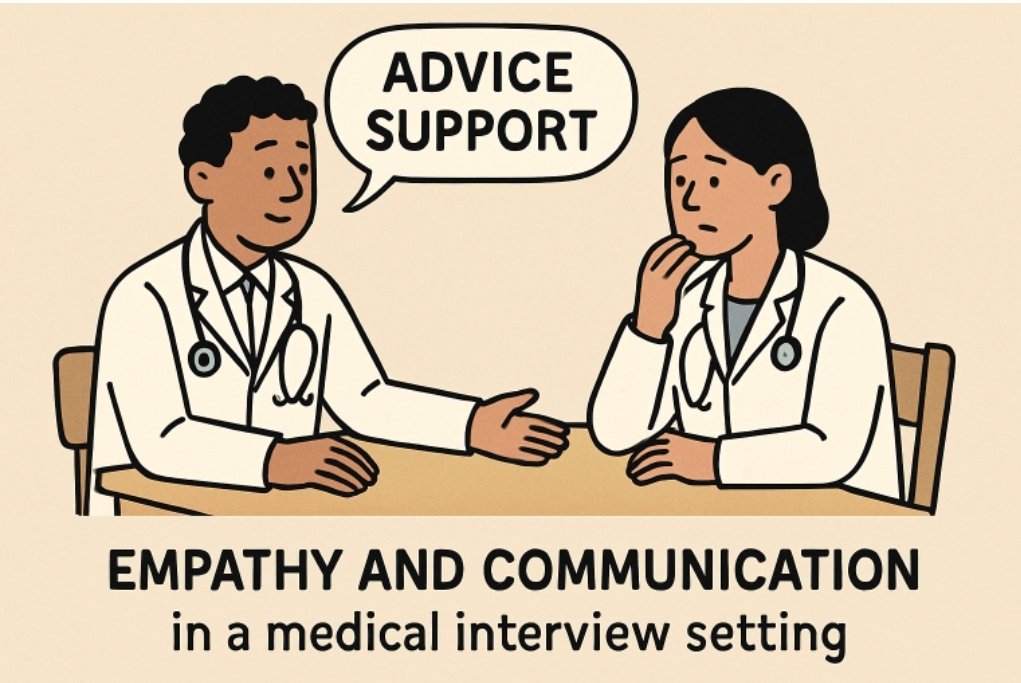
Empathy is often what separates outstanding consultants from competent ones. Be ready to discuss your approach to supporting patients and families through distressing news, chronic illness, or end-of-life care. Share how you address emotional sensitivity without compromising clarity or professionalism in high-pressure situations.
Ask Insightful Questions
An interview is a two-way conversation. By preparing thoughtful questions about the organization’s vision, culture, team dynamics, or professional development opportunities, you show genuine engagement. These questions also help you evaluate if the role and institution are the right fit for your ambitions and values.
Mind Your Non-Verbal Communication
Interviewers pay close attention to your body language as a sign of your confidence and interpersonal skills. Maintain positive eye contact, a relaxed but upright posture, and nod in acknowledgment during conversation. These subtle cues reinforce your verbal answers and help you establish rapport quickly.
Practice Stress Management Techniques
Interviews, especially in medicine, can be highly stressful. Coping strategies such as deep breathing, mindfulness, and visualization can help you stay present and focused under pressure. By managing anxiety, you can give clearer answers and project the calmness expected of a consultant clinician. Medscape offers a range of articles on physician well-being and interview preparation to further support you.
Follow Up
Closing your interview with a polite thank-you note or email is more than a formality. It reflects your professionalism and interest in the position while helping you stand out among other candidates. Referencing a meaningful interaction or a specific discussion point from the interview can make your follow-up more memorable to the panel.
Mastering the consultant interview requires more than clinical expertise. By preparing thoughtfully, demonstrating your competencies through real-world examples, and conveying empathy, confidence, and genuine curiosity, you position yourself as a standout applicant. For more bespoke guidance and mock interview scenarios tailored to NHS consultant posts, Ace Your Consultant Interview remains a highly respected partner in your medical career journey.