
When a backyard swimming pool is newly constructed, the interior surface is typically as smooth as polished glass. Whether the builders used a traditional white marcite, a pebble aggregate, or a premium quartz finish, the troweling process ensures a perfectly flush terrain. However, water is a universal solvent. Over several years of continuous exposure to harsh sanitation chemicals, fluctuating pH levels, and natural ground settling, that flawless interior finish inevitably begins to degrade. Microscopic cracks form, small pieces of aggregate break loose, and localized patches of plaster pop off the concrete shell. These resulting divots and depressions fundamentally change the hydrodynamic landscape of your pool floor, transforming routine maintenance from a simple sweep into a deeply frustrating chore.
The Physics of Dirt Accumulation in Divots
To understand why a degraded pool floor is so difficult to keep clean, you must look at how water currents interact with uneven surfaces. When your primary circulation pump pushes water through the return jets, it creates a sweeping current across the bottom of the pool. On a perfectly smooth floor, this current keeps microscopic dirt, fine sand, and dead algae suspended in the water column until it eventually reaches the main drain.
However, when a half-inch deep divot forms in the plaster, it acts as a physical current break. As the sweeping water passes over the hole, a tiny, localized eddy forms inside the depression. This micro-current forces the water to dramatically slow down, causing any heavy particulate matter to instantly drop out of suspension. Within a matter of days, every single divot, crack, and trowel mark on the pool floor becomes a densely packed crater of dark dirt and organic sludge. Because these craters sit lower than the primary surface of the plaster, the ambient water currents can never sweep them clean again.
Why Traditional Manual Suction Fails
When faced with a pool floor riddled with dirt-filled craters, the standard homeowner response is to attach a manual suction head to a telescopic pole and plug it into the skimmer line. This is where the geometric limitations of traditional hardware become painfully obvious. A standard manual vacuum head relies entirely on creating a tight, flush perimeter seal against the plaster. The bristles or rubber flaps on the edge of the vacuum head must press firmly against the floor to channel the suction power directly downward.
When you push a manual vacuum head over a sharp divot or a localized patch of missing plaster, the rigid plastic perimeter cannot contour to the sudden drop in elevation. The vacuum head bridges the gap, completely breaking the suction seal. Instead of pulling the packed dirt up out of the crater, the primary pump simply sucks in the clean, surrounding water from the sides of the broken seal. You can push a manual vacuum back and forth over a deep plaster imperfection a dozen times, and the heavy sand sitting at the bottom of the hole will remain entirely undisturbed.
The Advantage of Localized Impeller Suction
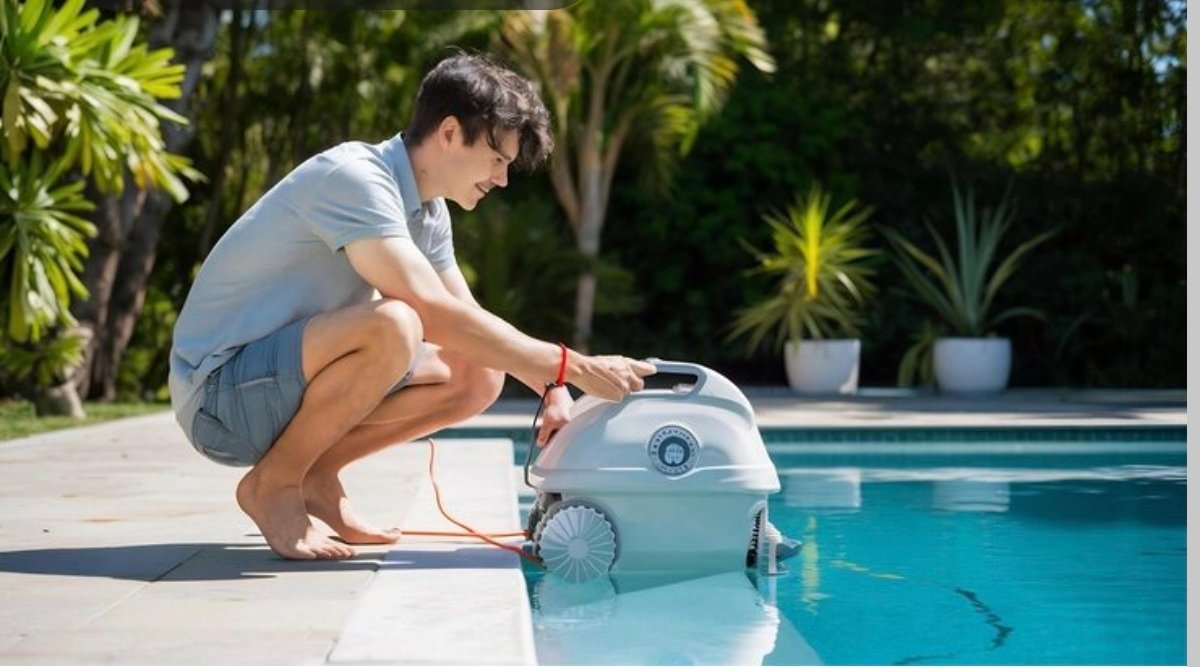
To successfully extract heavy dirt from localized depressions without relying on a flush perimeter seal, you must transition to independent, high-velocity extraction hardware. Utilizing a dedicatedrobotic pool cleaner fundamentally changes the physics of how the dirt is lifted. These automated units do not rely on your pool’s main pump, nor do they require a perfect physical seal against the plaster to generate lifting power.
Instead, automated hardware utilizes a massive internal impeller situated directly above a wide bottom intake port. As the machine drives over the uneven terrain, this impeller spins at several thousand revolutions per minute. This rapid rotation creates a violent, upward-pulling hydrodynamic vortex. Because this vortex is generated internally and thrust straight up through the chassis, it does not matter if the wheels of the machine are bridging a gap or tilting into a localized crater. The intense upward draft acts like a localized tornado, violently pulling the heavy sand, dead algae, and dense soil straight up out of the depression and trapping it inside the internal filter basket.
Adjusting Hardware for Rough Terrain
While the upward suction of automated hardware is perfectly suited for extracting dirt from divots, the rough physical terrain of a degrading plaster pool can be punishing on the machine’s external moving parts. If your pool features severe pitting, exposed aggregate, or sharp delamination, you must actively assist the hardware to ensure it navigates the landscape without suffering premature mechanical wear.
To optimize your machine for a rough, uneven pool floor, implement the following hardware adjustments:
● Evaluate the Scrubbing Brushes: Standard PVC or plastic bristle brushes are designed for smooth vinyl or fresh plaster. On heavily pitted surfaces, these rigid bristles will catch on the sharp edges of divots, causing the machine to buck and stall. Swap these out for soft, pliable foam rollers (often called PVA brushes) which compress and contour directly into the imperfections, providing continuous grip without snagging.
● Monitor the Drive Tracks: Sharp, degraded plaster is incredibly abrasive. It acts exactly like low-grit sandpaper against the rubber drive tracks of your machine. You must inspect the tension and tread depth of these rubber tracks monthly. If the treads become bald, the machine will high-center itself inside a wide divot and spin its wheels uselessly.
● Adjust the Water Intake Clearances: Some advanced units allow you to manually adjust the height of the bottom intake ports. If your pool has deep, sharp craters, raise the intake port to its highest setting. While this slightly reduces the maximum suction velocity, it physically prevents the bottom of the chassis from scraping against the jagged edges of the broken plaster as the machine rolls over the depression.
Step-by-Step Recovery for Neglected Craters
If you are deploying your automated hardware into an older pool that has been neglected for several weeks, the divots will likely be packed with something much worse than loose sand. Over time, the organic sludge trapped in these depressions hardens, creating a dense biological mat of black or mustard algae that bonds directly to the exposed concrete beneath the plaster. An automated machine can easily lift loose debris, but it cannot rip rooted algae out of the porous concrete of a deep crater.
Before relying on the machine for daily maintenance, you must perform a manual biological intervention to break these bonds:
- Perform a localized chemical shock: Turn off the main circulation pump so the water is completely still. Using a PVC pipe as a funnel, pour a small amount of granular calcium hypochlorite (pool shock) directly onto the darkest, most heavily packed divots. Let this highly concentrated chlorine rest undisturbed in the craters for thirty minutes to burn the roots of the algae.
- Execute a targeted wire brushing: Standard nylon pool brushes are useless against rooted algae in rough concrete. Attach a stainless-steel wire brush to your telescopic pole. Vigorously scrub the treated divots to physically shatter the hardened biological crust and lift it out of the porous concrete. (Note: Never use a stainless-steel brush on a vinyl liner or a fiberglass pool).
- Deploy the automated hardware: Once the hardened crust is shattered and the algae is floating freely as loose debris within the crater, immediately drop your automated extraction machine into the water. The internal impeller will now easily inhale the broken biological matter, permanently removing it from the environment.
- Run a secondary filtration cycle: Because wire brushing inevitably kicks some microscopic spores into the upper water column, run your primary circulation pump for a full twenty-four hours to filter out any suspended particulate that escaped the machine’s upward vortex.
Aging plaster does not have to spell the end of a pristine swimming environment. By understanding the fluid dynamics of how dirt behaves in surface depressions, abandoning flush-seal manual vacuums, and properly calibrating your automated extraction equipment for rough terrain, you can effortlessly maintain an older pool. The powerful internal suction of the hardware ensures that every crack, crevice, and divot is thoroughly evacuated, keeping your water crystal clear while you plan for your eventual resurfacing project.