Key Takeaways
- Modern alarm systems offer remote monitoring, automation, and real-time alerts.
- AI technology helps reduce false alarms and improve response times.
- Mobile apps allow businesses to manage security from anywhere.
- Integrated systems enhance protection, efficiency, and compliance.
- Cybersecurity features protect connected devices and sensitive data.
- Choosing the right system depends on business size, budget, and security needs.
- Regular maintenance and employee training improve overall security effectiveness.
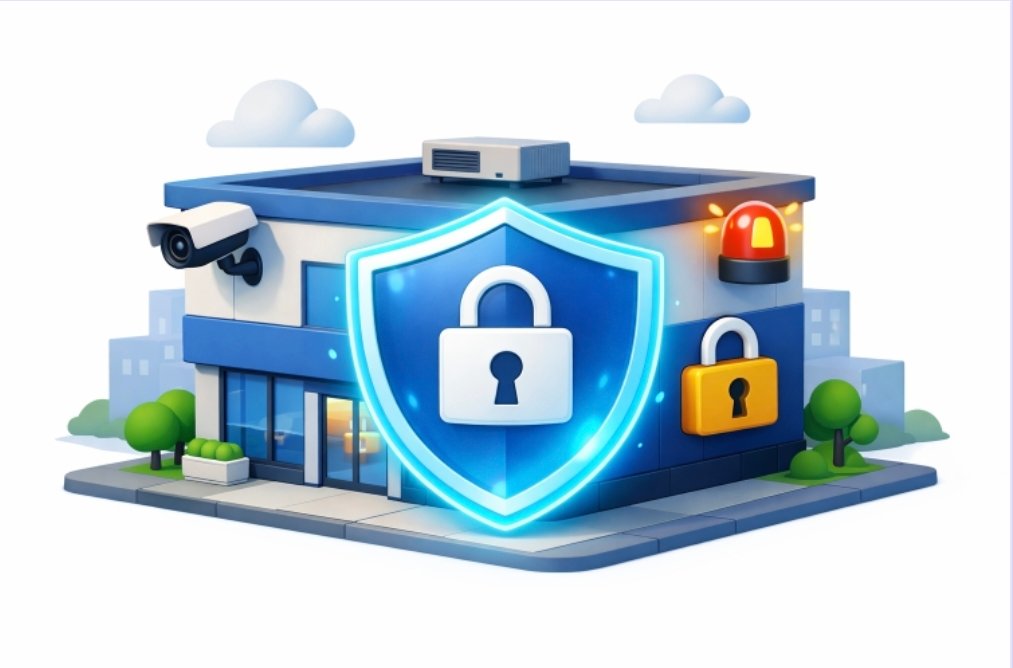
In today’s dynamic business environment, safeguarding assets, employees, and customers is more critical than ever. Modern commercial alarm system monitoring in Cleveland has evolved to offer advanced features that extend beyond traditional security measures, providing comprehensive protection tailored to diverse business needs.
Key Features of Modern Commercial Alarm Systems
Contemporary commercial alarm systems are equipped with a variety of features designed to ensure robust security:
- Remote Monitoring: Business owners can oversee their premises in real-time from any location, ensuring continuous vigilance.
- Integration with Other Systems:These alarms seamlessly integrate with fire alarms, access control, and video surveillance systems, creating a unified security approach.
- Automated Alerts: Instant notifications via SMS or email keep stakeholders informed of any security breaches or system issues.
- Advanced Sensors: Motion detectors, glass break sensors, and environmental sensors detect a range of threats, from intrusions to environmental hazards.
Expanding Capabilities: The Role of Artificial Intelligence
In recent years, artificial intelligence (AI) has greatly enhanced the capabilities of commercial alarm systems. AI-powered analytics can distinguish between genuine threats and false alarms, such as an animal triggering a sensor versus a human intruder. By learning from historical data and adapting to activity patterns, these systems minimize disruptions and increase security professionals’ confidence in the alarms they monitor. Deep learning algorithms can also integrate with video analytics to not only detect but also classify suspicious activities, and to alert the appropriate authorities more quickly than traditional systems. As a result, response times improve, and costly interruptions due to false alerts decrease.
The Value of Mobile Applications
Modern alarm systems are usually paired with user-friendly mobile applications. These apps enable business owners and security teams to arm or disarm systems, review security logs, and view live video feeds remotely. Push notifications offer real-time updates, empowering users to respond proactively. Additionally, system activity can be managed by multiple users with different access rights, making coordination across teams and shifts easier. Mobile accessibility is particularly valuable for multilocation businesses, as it provides centralized monitoring and control of multiple sites from a single interface.
Benefits of Implementing Advanced Alarm Systems
Investing in a modern alarm system offers several advantages:
- Enhanced Security: Advanced features provide a higher level of protection against potential threats.
- Operational Efficiency: Automation and integration reduce the need for manual monitoring, allowing staff to focus on core business activities.
- Compliance: Many industries have regulations requiring specific security measures; modern systems help businesses stay compliant.
- Insurance Benefits: Enhanced security measures can lead to reduced insurance premiums.
Physical and Cybersecurity: A Unified Approach
Today’s alarm systems are increasingly cognizant of cybersecurity risks. As more devices connect to central monitoring stations or cloud-based platforms, the risk of hacking rises. Leading manufacturers implement end-to-end encryption, multi-factor authentication, and regular software updates to safeguard both physical and digital aspects of business security. This unified approach helps protect sensitive surveillance data, user information, and system controls from unauthorized access.
Choosing the Right Alarm System for Your Business
Selecting an appropriate alarm system involves considering several factors:
- Business Size and Type: The security needs of a small retail store differ from those of a large warehouse.
- Budget: Determine how much you’re willing to invest in security infrastructure.
- Scalability: Ensure the system can grow with your business.
- Vendor Reputation: Research potential vendors to ensure they have a track record of reliability and excellent customer service.
Customization and Industry-Specific Solutions
Leading alarm system providers understand that each industry has unique security requirements. Customizable solutions are available for sectors such as healthcare, education, hospitality, finance, and retail. For example, healthcare facilities often require integration with life-safety systems and stricter access controls to protect sensitive data and regulated substances. Retail environments may benefit from solutions that offer advanced analytics to monitor customer flow and identify suspicious activity without disrupting daily operations.
Recent Innovations in Commercial Alarm Systems
The security industry is continually evolving, with recent innovations enhancing the effectiveness of alarm systems. For instance, Alarm.com has introduced an enhanced Universal Communicator, enabling businesses to upgrade legacy systems without a full replacement. This solution offers features like remote system control and real-time alerts, streamlining installations and providing a faster path to modern security.
Maintenance and Ongoing Support
Once a system is installed, ongoing maintenance and technical support are crucial. Regular system checks, software updates, and prompt troubleshooting help prevent vulnerabilities and ensure maximum uptime. Many providers offer 24/7 technical assistance and remote diagnostics. Proactive maintenance agreements can also extend the life of security infrastructure while providing business owners with peace of mind.
Case Study: Successful Implementation
Consider a national jewelry retailer that deployed TamperShield Alarm Monitoring across all stores. This proactive monitoring technology detects system tampering before a break-in occurs, ensuring continuous protection and immediate situational awareness.
Employee Training and Security Culture
Equipping your business with advanced security technology is only part of the equation; training staff to use it effectively is equally important. Employees should be familiar with alarm operation, emergency protocols, and how to interpret alerts. Fostering a culture of security awareness reduces the risk of accidental breaches and ensures everyone plays an active role in protecting assets and information. Routine training and drills reinforce desired behaviors and keep employees informed about system updates or procedural changes.
Conclusion
Investing in a modern commercial alarm system in U.S. Protective Services is a proactive step toward safeguarding your business. By understanding the available features, benefits, and recent innovations, you can make an informed decision that aligns with your business’s unique needs and ensures long-term security. As technology continues to advance, staying up to date on the latest developments and investing in both equipment and training will strengthen your security posture and foster a safer environment for employees and customers alike.