
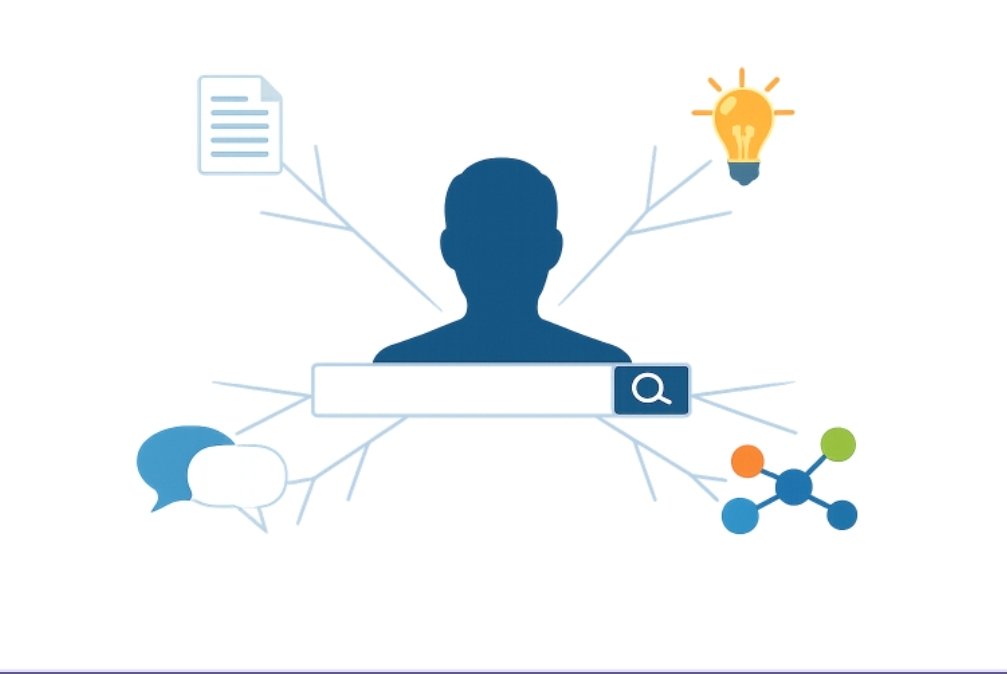
Key Takeaways
- Semantic search technology prioritizes user intent and context, moving beyond strict keyword matching.
- Core technologies behind semantic search include natural language processing and knowledge graphs.
- Semantic search enhances user experience and engagement in industries such as e-commerce, healthcare, and legal services.
In the age of information, search technologies are rapidly advancing to better serve users’ evolving needs. Where traditional search engines once relied on matching exact keywords, modern systems are embracing semantic search, which aims to discern intent and context within user queries. This next-level approach is paving the way for more meaningful, intuitive results and is supported by advancements in artificial intelligence and platforms like Exa AI that are driving change in the field.
Rather than simply parsing word strings, semantic search understands relationships and entities within queries, mimicking human-like comprehension. This shift benefits information seekers by minimizing irrelevant results and surfacing content that addresses the underlying questions people are asking. As a result, organizations are turning to semantic tools to improve user satisfaction and optimize engagement across their digital ecosystems.
At its core, semantic search leverages sophisticated algorithms to capture language subtleties, identifying synonyms, colloquial phrases, and contextual clues that keywords alone would miss. For example, a search for “weather Paris” is interpreted as a request for the current weather in Paris rather than a list of pages containing those keywords separately. As users expect ever more accurate results, semantic search bridges the gap between what is asked and what is truly intended.
These advancements are largely possible due to advances in natural language processing and the expanding use of knowledge graphs, both of which deepen understanding beyond the surface of the text. Companies and researchers continue to innovate in this space, driving even greater precision and speed for knowledge discovery.
Understanding Semantic Search
Semantic search transforms information retrieval by prioritizing a deeper understanding of meaning. Unlike basic search engines that look for direct word matches, this technology analyzes intent, context, and entity relationships. Whether a query is ambiguous or highly specific, semantic search aims to understand the true intent of the request and deliver the most relevant results.
Organizations implementing semantic search find that users spend less time wading through irrelevant links and more time engaging with pertinent information. Google’s shift toward semantic analysis, for example, is one reason why its results have become noticeably more relevant to complex or conversational queries.
The Role of Natural Language Processing
Natural language processing, or NLP, is foundational to effective semantic search. By interpreting the intricacies of written and spoken language, NLP algorithms can differentiate between homonyms, recognize synonyms, and even grasp casual expressions. This lets search engines infer meaning from context, so if someone types “what’s the best way to plant apple seeds,” the system recognizes the distinction between the fruit and the technology brand.
NLP enables more human-like exchanges between users and systems, making advanced features like voice search and conversational interfaces possible. As deep learning models continue to develop, semantic search platforms reach new levels of sophistication each year.
Knowledge Graphs: Connecting the Dots
Knowledge graphs complement NLP by organizing vast amounts of data into structured webs of interconnected entities. These databases map relationships among people, places, things, and events, helping search engines generate comprehensive, contextually relevant responses. For instance, a question about “Leonardo da Vinci” is answered not just with biographical information, but also with insights into his inventions, artworks, and contemporaries.
The use of knowledge graphs is now commonplace in search giants like Google and Bing, and similar graph-based models are being implemented across industries seeking to harness the benefits of enriched data discovery.
Benefits of Semantic Search
- Enhanced User Experience:Semantic search filters out irrelevant results, enabling users to find answers faster and more effectively.
- Improved Engagement: Accurate, context-driven responses increase satisfaction, encouraging users to remain engaged with a platform.
- Resolving Ambiguity: Algorithms recognize multiple meanings and subtle cues, clearing up confusing or open-ended queries.
By ensuring that queries yield relevant content, organizations can retain users, boost interactions, and foster loyalty. The long-term impact is an improved reputation for delivering value-driven digital experiences.
Real-World Applications of Semantic Search
- E-commerce: Online marketplaces deploy semantic searches to better predict user needs and recommend tailored products, personalizing shopping experiences.
- Healthcare: Medical information systems apply semantic technology to surface research and clinical guidelines relevant to patient cases, shortening the time spent searching for critical data.
- Legal Sector: Law firms and legal research platforms rely on semantic search to filter and synthesize large volumes of case law, statutes, and scholarly material, streamlining due diligence.
Companies adopting semantic search gain a competitive advantage by offering not only speed but also context and depth that traditional search cannot achieve.
Challenges and Considerations
- Data Quality: High-quality, well-structured data is essential, as semantic algorithms draw meaning from reliable sources.
- Computational Demands: The processing power required for real-time semantic analysis can be prohibitive for smaller organizations.
- Privacy: Enhanced personalization can mean a deeper dive into user data, so businesses must balance relevance with ethical use and transparency.
Efforts to overcome these challenges include developing scalable machine learning models and implementing robust data protection protocols to safeguard user privacy.
Looking Ahead: The Future of Semantic Search
The growing adoption of semantic search is shaping the future of digital information retrieval. As AI, NLP, and knowledge graph technologies advance, users will enjoy more intuitive, responsive, and insightful experiences when seeking information. Organizations that invest in these emerging capabilities will be best positioned to meet rising user expectations and to thrive in an increasingly data-driven world.
For additional context and insights into shifting search trends and cutting-edge technologies, explore this recent Wall Street Journal analysis.