
Key Takeaways
- Do not enter the home until fire officials say it is safe.
- Get medical help for smoke exposure, burns, dizziness, or breathing problems.
- Take photos and videos before moving, cleaning, or discarding damaged items.
- Call your insurance company early and save every emergency expense receipt.
- Keep utilities off until qualified professionals inspect them.
- Smoke, soot, standing water, and damaged materials can create hazards after flames are out.
A house fire can leave you shaken, tired, and unsure what to do next. During the first 24 hours, focus on protecting people, maintaining records, and preventing further loss. If your home has fire, smoke, or water damage, professional fire damage restoration in Denver can help you understand the cleanup steps subsequent to the emergency.
You do not need to solve every problem in one day. Work through the most urgent needs first. Stay safe, accept help from people you trust, and keep notes as you make decisions.
Put Safety First
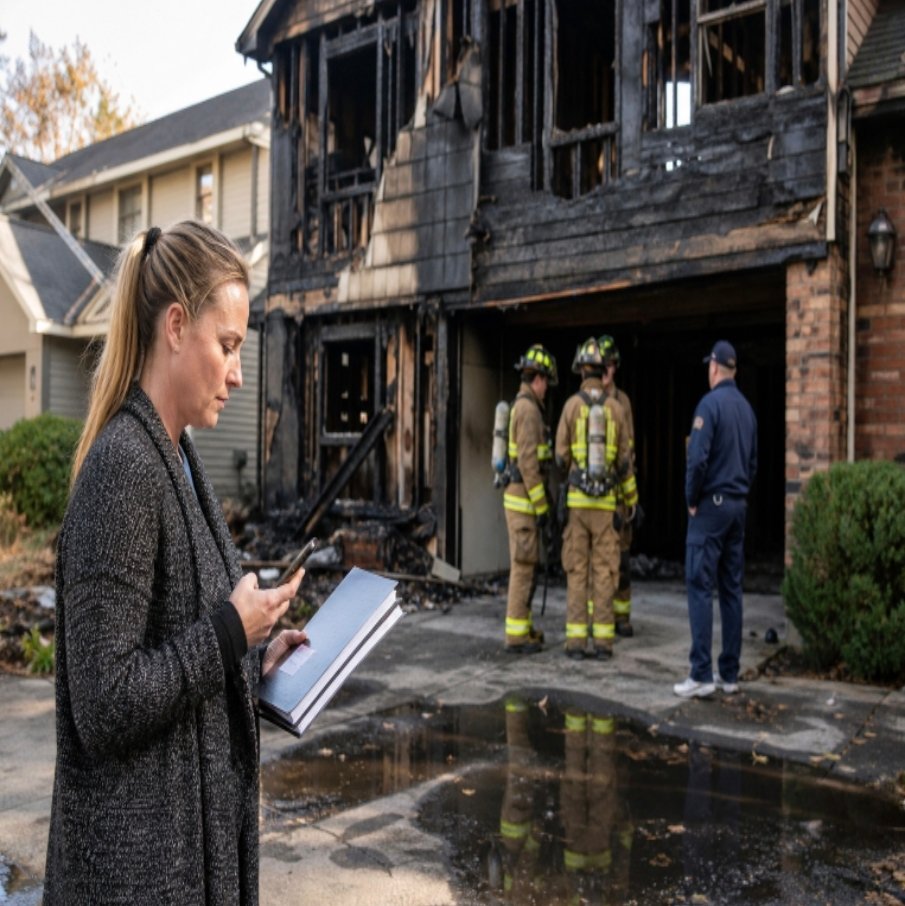
A fire-damaged home may still pose significant safety risks even after the flames have been extinguished and the exterior appears stable. Structural components such as floors and ceilings may have been weakened, while broken glass, exposed electrical wiring, and other hazards can remain concealed beneath debris. Property owners should also avoid downed power lines, standing water, and any area with a gas odor. Before starting cleanup or arranging fire damage restoration in Colorado Springs, keep children and pets away from the property and wait until the fire department or another qualified authority has confirmed that it is safe to re-enter.
Care for People and Pets First
Prompt Measures
- Make sure every person and pet is accounted for.
- Call 911 if emergency responders have not been contacted.
- Move to fresh air and away from smoke, debris, and traffic.
- Seek medical care for symptoms, chest pain, dizziness, unusual tiredness, or trouble breathing.
- Arrange veterinary care for pets exposed to smoke, heat, or dirty water.
Shock can make simple choices feel difficult. Ask a friend, neighbor, or relative to help make calls, gather supplies, or keep track of information. Having another calm person nearby can reduce stress and prevent important details from being missed.
Find a Safe Place to Stay
Your home may not be safe, dry, or comfortable enough to use overnight. Consider staying with family, friends, a hotel, or a local shelter. Families who need help after a fire can review American Red Cross home fire recovery resources for immediate support and guidance.
Save receipts for lodging, meals, clothing, pet boarding, transportation, and other emergency costs. Pack or replace basic items such as identification, medicines, phone chargers, glasses, infant supplies, and pet food. Homeowners in the area may also seek fire damage restoration in Colorado Springs when smoke, water, or structural damage needs prompt professional attention.
Document the Damage Before Cleanup
Take photos and videos before cleanup begins, but only after you receive permission to enter. Start with wide shots of the exterior and every affected room. Then take close photos of ceilings, walls, floors, appliances, furniture, windows, and personal belongings. Record smoke odor, soot marks, water damage, roof damage, and anything missing.
Write down the date, time, and location of each group of photos. Make a simple room-by-room list of damaged items, including the brand, age, and estimated value when known. Store copies in cloud storage or email them to yourself. Keep the fire report, receipts, estimates, and insurance claim number in one folder.
Contact Your Insurance Company and Ask Questions
Open an insurance claim as soon as you can. Coverage depends on your policy, so don’t assume every cost will be covered. Ask for your claim number and the name of the adjuster handling the claim. Also ask whether the policy includes temporary housing, meals, emergency repairs, or loss-of-use coverage.
- What steps should be taken now to prevent further damage?
- Do any damaged items need to remain on the property?
- Are there preferred vendors or inspection requirements?
- How should receipts and emergency living costs be submitted?
- When should repairs begin, and what approval is needed first?
Protect the Property From Further Damage
Broken windows, open doors, roof holes, and damaged locks can expose the home to weather, animals, and theft. Ask your insurer or a qualified contractor about boarding windows, covering roof openings, or securing entry points. Save receipts for reasonable emergency protection measures. Do not climb on the roof, test outlets, or turn on gas, water, or electricity unless the right professional confirms it is safe.
Post-Fire Mistakes to Avoid
- Do not re-enter before official clearance.
- Do not light candles, use matches, or flip electrical switches.
- Do not scrub soot from walls, since this can spread the residue.
- Do not wash smoke-damaged fabrics before getting cleaning advice.
- Do not throw away damaged belongings before documenting them.
- Do not sign a major repair contract while feeling rushed or pressured.
Check for Smoke, Soot, and Firefighting Water
Smoke and Soot
Smoke can travel far beyond the room where the fire began. It may leave dark residue, yellowed surfaces, strong odors, and tarnished metal. Porous materials, such as carpeting, upholstery, insulation, and clothing, can hold smoke particles even when they appear clean.
Water and Moisture
Water used to fight the fire can soak floors, cabinets, insulation, ceilings, and electrical systems. Hidden moisture can cause warping, decay, or mold growth if left unchecked. Fire, smoke, and water damage are distinct problems, and each may require a separate inspection or cleanup.
Handle Belongings Carefully
Separate belongings into three groups: likely usable, needing professional review, and clearly unsafe. Food, drinks, medicine, personal-care products, children’s items, and pet supplies exposed to heat, smoke, soot, or dirty water should not be judged by appearance alone. Photograph items before disposal and add them to your inventory.
Keep important papers, photographs, electronics, jewelry, and family keepsakes separate from general debris. Clothing, bedding, carpets, and upholstered furniture may be salvageable, but strong smoke odor or soot often requires specialized cleaning.
Common Questions After a House Fire
When can you go back inside?
Only after local fire officials or another qualified authority say the structure is safe to enter. A home may look stable while still having hidden hazards.
Should you call insurance or a restoration professional first?
Call your insurer early, then ask how to prevent further damage. A restoration professional may also be needed quickly for emergency assessment and protection.
Can you clean smoke damage yourself?
Small surface areas may be manageable, but widespread soot, strong odors, contaminated water, and damaged building materials should be addressed by qualified professionals.
What if you rent the home?
Notify the property owner or manager, contact renters’ insurance if you have it, save receipts, and ask about temporary housing options.
Final Checklist
- Everyone is safe, accounted for, and receiving needed medical care.
- The home has not been entered without clearance.
- Temporary shelter and essential supplies have been arranged.
- Damage has been photographed and listed.
- An insurance claim has been opened.
- The property has been secured without risky repairs.
- Utilities remain off until inspection when needed.
- Damaged items have not been discarded without records.
The first day after a house fire is not about fixing everything. It is about protecting people, preserving information, limiting additional damage, and taking one clear step at a time.