
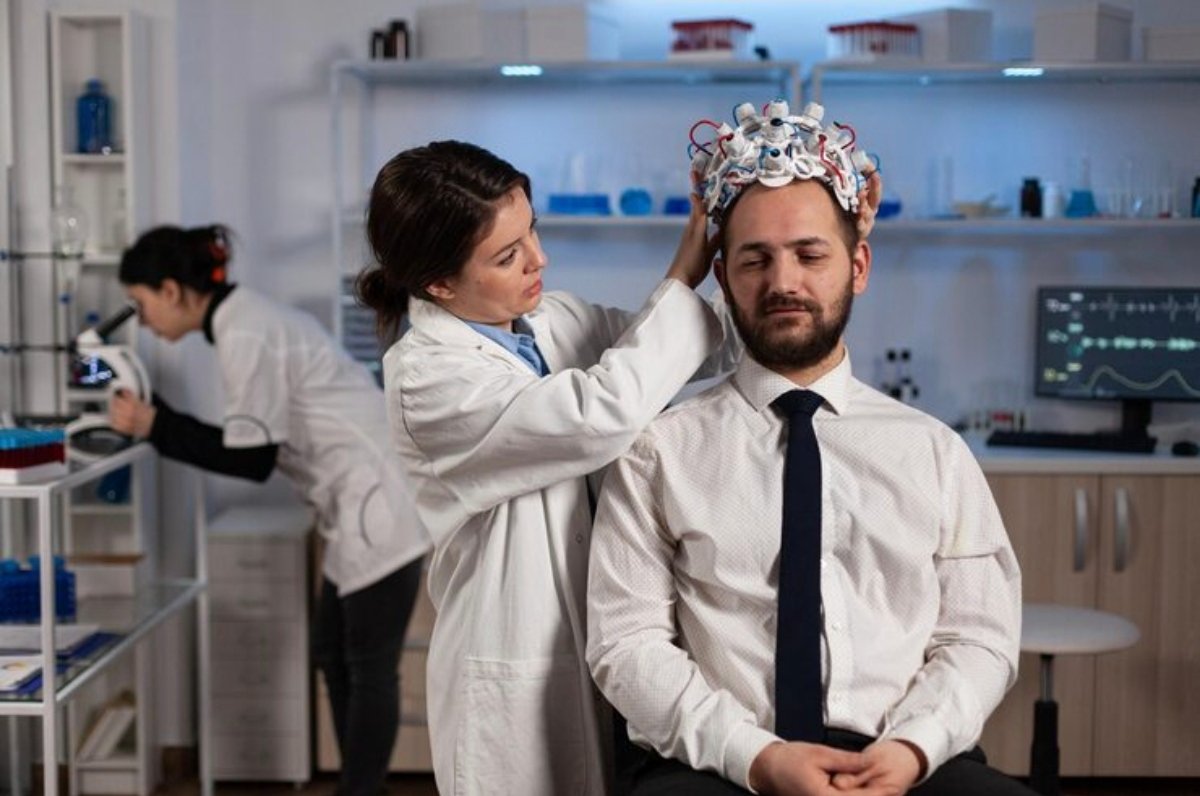
The construction growth, active coastal lifestyle, and crowded highways of San Diego contribute to severe crashes annually. And most of these accidents include TBIs (Traumatic Brain Injuries) that can occur from falls, vehicle collisions, and workplace accidents. The medical studies highlight that the symptoms, for instance, mood changes, cognitive impairment, and memory loss, might not become visible instantly. Since the TBIs are typically invisible injuries, the defense lawyers and insurance carriers can challenge the claims. That, in turn, makes such cases medically and legally complex.
- Shifting fault and disputing liability
A common defense strategy is not accepting accountability or passing the blame to the victim. The defense teams can argue about comparative fault, claiming that the victim contributed to the crash via unsafe conduct, rule violations, and distractions. Additionally, the brain injury lawyers typically contest this by collecting crash reconstruction reports, surveillance footage, and witness testimony. Creating a clear fault is necessary because even a small blame can minimize compensation under the radar of comparative negligence laws.
- Contesting the injured extremity
The other constant method here is to reduce the severity of the brain injury in the victim. The defendants can argue that the medical scans might look normal. They can also state that the symptoms might look exaggerated. Since mild traumatic brain injuries don’t necessarily show surface-level abnormalities on the MRIs and CT scans, the insurers can question their authenticity.
Here, the defense experts might state that the cognitive complaints are highly subjective. Using ongoing medical documentation and neuropsychological evaluations is necessary to explain quantifiable impairment and contextualize the arguments correctly. This will help develop a compelling case that stands on its own merit in legal proceedings.
- Argument on unrelated pre-existing conditions
Defense lawyers may argue that mental and emotional problems existed before the accident. For example, they might look back in the medical records before the incident in support of a claim of anxiety, depression, or prior head trauma as a cause of the present symptoms. A solid medical chronology is important. By comparing pre-accident and incident health records and after the accident and incident evaluation, the legal teams can demonstrate how the accident aggravated a pre-existing injury and or created new injuries and prove that the injury was caused by the accident and not the cause of other symptoms and conditions.
Final words
Therefore, one more strategy includes adding early settlement offers prior to the complete extent of the injury being understood. Since the brain injury symptoms can change over several months, getting settled prematurely might undervalue the future medical requirements and cognitive restrictions. The fast offers can appear attractive the moment bills start to increase. But when you accept compensation before the greatest medical improvement has attained, it can restrict the recovery choices permanently. A precise assessment of the long-term prognosis secures a victim in such cases from saying yes to insufficient settlements.
If you want to learn more about this, you can check out hhjtrialattorneys.com and arrive at an informed decision. That way, you will have an expert lawyer beside you to guide you through the legal procedures and ensure that you get your settlement amount that will compensate all your losses.