
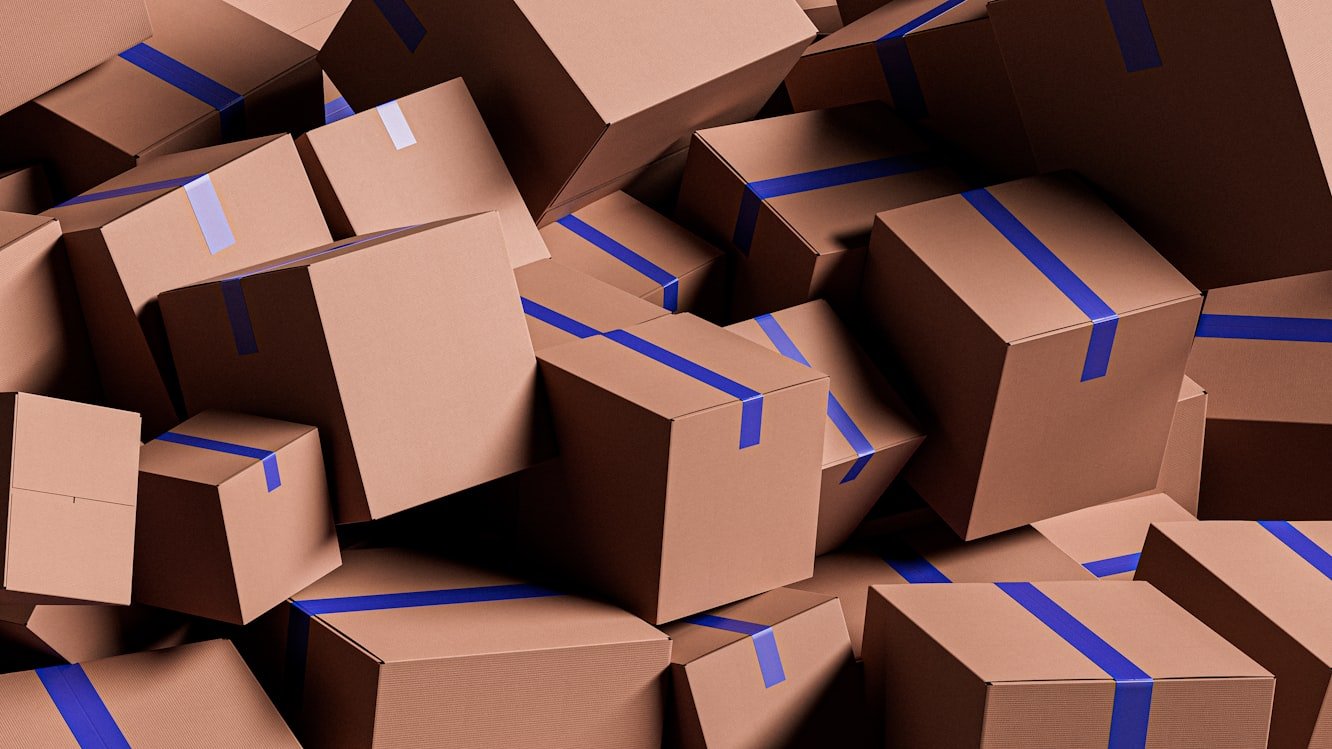
Shipping products has become more demanding than ever before. Businesses are expected to deliver orders quickly while making sure every item arrives in excellent condition. Customers rarely think about the journey their purchase takes, but warehouse teams know exactly how much handling occurs before a shipment reaches its destination. Between forklifts, loading docks, freight terminals, and delivery trucks, every package experiences constant movement.
That is why protective packaging has become such an important part of modern logistics. While boxes and tape often receive most of the attention, products like edge protectors and corner protectors play a major role in preventing damage during transportation. They strengthen vulnerable areas that are most likely to suffer when loads are stacked, strapped, or shifted during transit.
Businesses that understand the importance of complete packaging systems usually experience fewer damaged shipments and happier customers. Sometimes the smallest packaging components deliver the greatest value.
Protecting Products From Everyday Shipping Hazards
Even carefully packed pallets encounter challenges throughout the shipping process. A driver may need to brake suddenly, causing freight to shift forward. Warehouse employees may stack heavy pallets on top of one another for temporary storage. Forklifts constantly move inventory from trailers to warehouses and back again.
These routine events place tremendous stress on the outside edges of cartons and products. Without reinforcement, those areas begin to collapse under pressure. Damaged corners often lead to crushed boxes, torn wrapping, and scratched merchandise.
OEM Materials Corner protectors reduce these risks by absorbing much of the pressure before it reaches the product. Instead of allowing straps or heavy loads to press directly against the shipment, they help distribute force across a much wider area.
This simple change can dramatically improve shipping performance.
Strong Packaging Means Stronger Customer Confidence
Customers often form opinions within seconds of receiving a shipment. Even if the product inside works perfectly, damaged packaging can leave the impression that it wasn’t handled carefully.
Nobody enjoys opening a box with crushed corners or visible dents. It creates uncertainty before the product is even removed from the packaging.
Businesses that consistently deliver clean, well-protected shipments build trust over time. Customers recognize companies that pay attention to details, and packaging is one of those details that quietly shapes a brand’s reputation.
Protective materials may remain hidden beneath the wrapping, but their impact is immediately visible when products arrive looking exactly as expected.
Reinforcing Pallet Loads
Shipping pallets experience tremendous pressure throughout transportation. Heavy loads naturally settle as trucks travel long distances, creating compression across the cartons below.
Installing edge protectors reinforces the outside structure of the pallet. This added support helps cartons maintain their shape while resisting compression from above.
The result is a stronger shipping unit that performs better during storage, transportation, and unloading.
Warehouse teams also appreciate reinforced pallets because they remain stable while being moved by forklifts. Stable loads reduce the chance of accidents and make handling much more efficient.
Packaging Materials Work Together
Successful packaging isn’t built around a single product. Instead, it relies on multiple materials working together to protect the shipment.
Many companies begin by arranging products securely on a pallet before applying edge protectors to strengthen the outside corners. Next, they secure the load using stretch film, creating a tight layer that helps prevent movement throughout transportation.
Additional layers of stretch wrap may be applied depending on the weight of the shipment or the distance it will travel.
When each material serves its purpose, the entire pallet becomes stronger than any one packaging component could achieve alone.
This layered approach has become common across industries because it consistently delivers reliable results.
Selecting the Right Materials
Every product presents its own packaging challenges. Furniture manufacturers protect finished wood surfaces. Metal fabricators guard against scratches and dents. Building material suppliers often ship long, heavy products that require additional support along their edges.
Choosing the proper materials begins with understanding the products being shipped and the conditions they will experience.
OEM Materials Packaging Supplier can recommend solutions based on shipping distance, pallet weight, warehouse storage, and transportation methods.
Rather than guessing which materials might work, businesses benefit from recommendations backed by real-world experience.
That guidance often prevents expensive packaging mistakes before they happen.
Lower Costs Through Better Protection
Some businesses look at protective packaging only as an added expense. In reality, effective packaging usually lowers operating costs over time.
Every damaged shipment creates replacement costs, customer service expenses, freight claims, and additional labor. Employees spend valuable hours processing returns that could have been avoided with better protection.
Adding corner protectors represents a relatively small investment compared to replacing damaged products or losing repeat customers.
The savings become even more noticeable for companies that ship high-value products where even minor cosmetic damage makes merchandise difficult to sell.
Its often easier to prevent damage than it is to explain it later.
Supporting Sustainable Shipping Practices
Sustainability has become a priority throughout manufacturing and distribution. Businesses are searching for packaging materials that provide dependable protection while reducing environmental impact.
Many modern protective products are manufactured using recycled paper fibers and recyclable materials. These solutions help companies reduce waste without compromising shipment quality.
Preventing damage also contributes to sustainability by reducing replacement shipments, unnecessary manufacturing, and discarded merchandise.
Protecting products properly the first time often represents one of the simplest ways to reduce waste across the supply chain.
Customers increasingly appreciate businesses that combine practical packaging with environmentally responsible decisions.
Building Long-Term Business Relationships
Packaging influences more than individual shipments. It affects long-term customer relationships.
Businesses that consistently deliver products without damage develop a reputation for reliability. Purchasing managers become more confident placing repeat orders because they know shipments will arrive in good condition.
This confidence strengthens partnerships and encourages long-term business growth.
A dependable packaging supplier plays an important role in achieving that consistency. By helping businesses evaluate packaging performance and recommend improvements, suppliers become valuable partners rather than simply vendors.
Over time, these relationships often contribute to better operational efficiency and lower shipping costs.
Looking Ahead
The shipping industry continues to evolve as customer expectations rise and supply chains become more complex. Products move faster, travel farther, and pass through more handling points than ever before.
Protective packaging will continue to play a critical role in helping businesses meet those demands.
Using quality edge protectors together with corner protectors, stretch film, and stretch wrap creates stronger shipments that are better prepared for the realities of transportation. Every component contributes to protecting valuable products from unnecessary damage.
Companies that work closely with an experienced packaging supplier are well positioned to improve shipping performance while controlling costs. By strengthening vulnerable areas, reinforcing pallet loads, and choosing dependable packaging materials, businesses can deliver products with greater confidence and provide customers with the positive experience they expect every time an order arrives.