
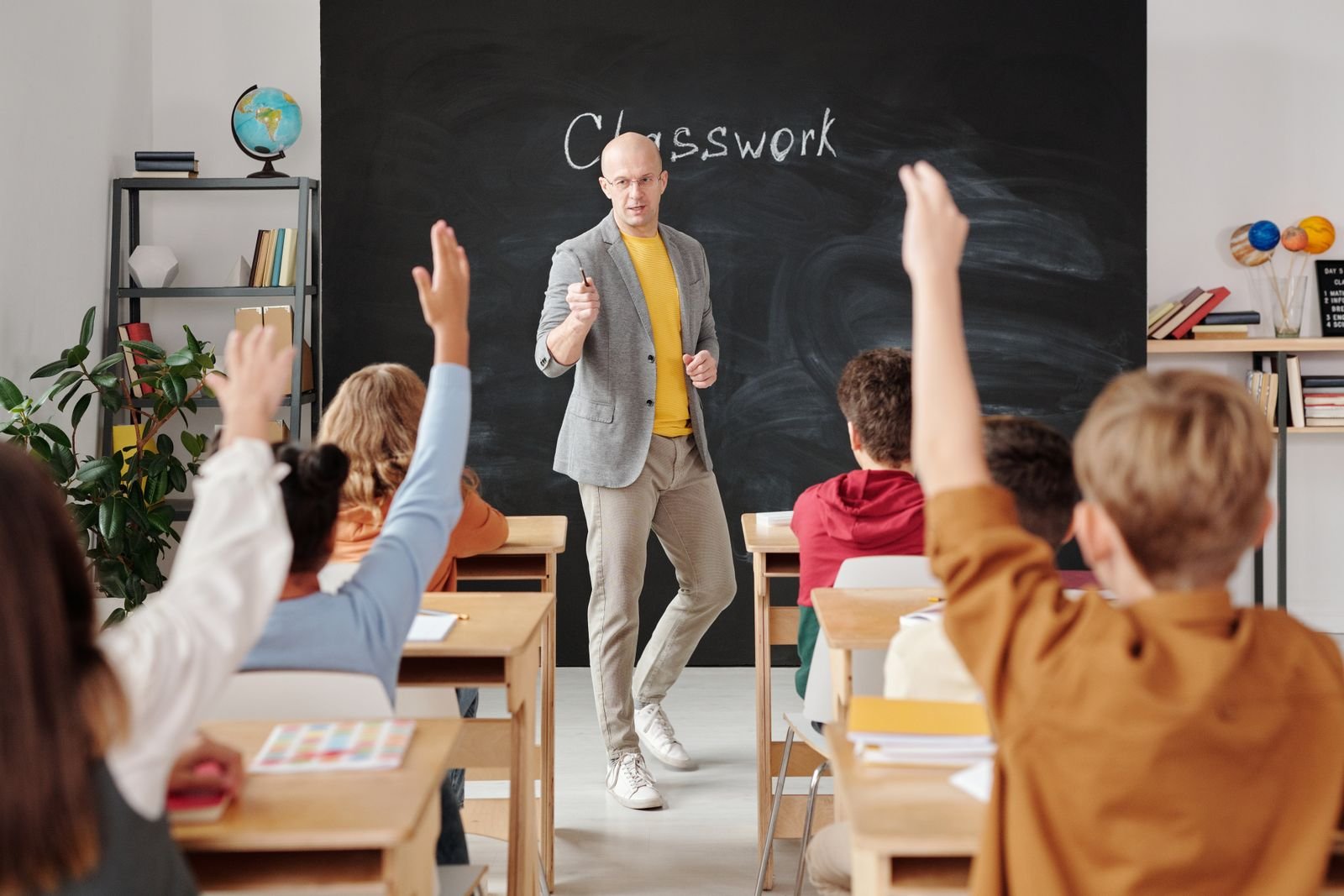
Walk into a smoothly run classroom and it does not look like the teacher is managing anything at all. Students know where to sit, what to do when the lesson starts, and how to ask for help. That calm comes from deliberate strategies, practised daily until they become habit.
Good classroom management is not about control — it is about creating the conditions for learning. When expectations are clear and routines are settled, teachers spend far less time on disruption and far more time teaching.
What Classroom Management Really Means
Classroom management is often misunderstood as discipline — the art of punishing bad behaviour. In reality, discipline is only a small part of it. It covers how a teacher organises the learning environment: room layout, transitions between activities, and responses when things go wrong.
Think of it as prevention rather than reaction. Most disruption happens in the gaps — unclear instructions and moments when students do not know what to do. Close the gaps and much of the behaviour problem disappears. Behaviour is also communication: a constantly talking student may be anxious, bored, or struggling. Responding to the cause beats punishing the behaviour.
Set Clear Expectations and Routines From Day One
The first week of a school year sets the tone for everything that follows. Keep the rules short and positive — three to five are enough, such as “Respect each other”, “Listen when someone is speaking”, and “Try your best”. Rules framed positively tell students what to do, rather than listing what not to do. Let the class help agree on them where possible.
A routine is a procedure students follow without being told: entering the classroom, getting the teacher’s attention, handing in homework. Explain, demonstrate, and practise each routine — slow in week one, but it saves hours over the year. Greet students at the door and start with a task on the board.
Above all, be consistent — consistency matters more than strictness. If a rule applies on Monday, it applies on Friday too, and it applies to every student. When teachers let small things slide one day and punish them the next, students stop trusting the rules. Decide your responses in advance, and apply them calmly every time.
Build Relationships With Your Students
The most effective classroom management tool is a good relationship with your students. Students who feel known and liked by their teacher cooperate far more readily. Learn names quickly, greet students by name, ask about their interests, and check in privately when a cheerful student goes quiet.
Learn about students’ backgrounds and needs too. A new student, one with additional needs, or one going through a hard time at home may need a different approach — and knowing your students helps you tell deliberate disruption from genuine struggle.
Keep Lessons Engaging to Prevent Disruption
Boredom drives much poor behaviour. A lesson that is too easy, too hard, or too long without a change of pace will lose students, and students who have drifted off start chatting and distracting others. Break lessons into short segments — ten minutes of explanation, then paired discussion, then a short task, then feedback — and use movement to reset attention.
Tasks should also be the right level of challenge: work that is too difficult causes frustration, and work that is too easy causes boredom. Offer harder extensions for fast finishers and extra support for those who need it. Check understanding first, and agree on a signal that means “stop and listen”, such as raising a hand or a countdown — far calmer than shouting over the noise.
Positive Reinforcement and Consistent Consequences
People respond better to praise than to punishment. Praise should be specific and sincere: “Well done” is forgettable, while “I noticed you helped your partner without being asked — that was really thoughtful” is memorable. Praise the behaviour you want more of. Reward systems such as points can help younger students, but they work best when they reward genuine effort and kindness, not just obedience.
When a rule is broken, respond calmly, briefly, and consistently. A quiet word or a short private conversation is usually enough for a first issue. Escalate only if the behaviour continues: a change of seat, a loss of a privilege, or a conversation after the lesson. Avoid public confrontations, which usually make things worse. Consequences should be linked to the behaviour, proportionate, and applied to everyone equally — and once given, move on.
Accurate records also help teachers spot patterns. Many schools use platforms such as FACTS/RenWeb to record grades and track student information. If you are new to it, the guide to RenWeb FACTS explained gives a clear overview of the platform, and the guide on how to check grades on RenWeb explains how grades are recorded and viewed.
Handling Common Problems
When students talk over you, wait calmly rather than competing with the noise. Stand still, make eye contact, and wait — most will settle when they realise the lesson has stopped. Then name the expectation once and carry on. If the same students keep talking, speak to them privately after the lesson.
For off-task behaviour, first check whether the task is the problem: too hard, too long, or unclear? A student who is off-task because they do not understand needs help, not a telling-off. Move closer, offer a prompt, or quietly restate the first step.
For conflicts, separate the students calmly and deal with it away from an audience. Listen to both sides, acknowledge feelings without taking sides, and help them agree on what happens next. Restorative questions — “What happened?”, “Who was affected?”, “What can we do to put it right?” — work better than blame.
Strategies for Different Age Groups
Primary school
Younger children need structure, visual cues, and plenty of movement. Use a visual timetable, keep instructions short — one step at a time — and use songs, timers, and call-and-response routines for transitions. Rewards and praise are powerful at this age. Young children are still learning to sit still, share, and wait their turn — patience is part of the job.
Secondary school
Older students respond to respect, relevance, and autonomy. They can tell when a rule is arbitrary, so explain the reason behind expectations rather than relying on “because I said so”. Give them some choice in how they complete tasks, and never embarrass a teenager in front of their peers — it destroys trust instantly.
Looking After Yourself and Staying Consistent
Classroom management is hard work, and no teacher gets it right every day. Plan ahead, and keep routines simple enough to maintain on a bad day. Ask colleagues for help — observing another teacher’s classroom is a sign of professionalism, not weakness. Consistency is a habit, not a mood: the same expectations should apply on Friday afternoon as on Monday morning. That steadiness makes a classroom feel safe.
Frequently Asked Questions
What is the most important classroom management strategy?
Building strong relationships with students, combined with clear routines and consistent expectations. When students trust their teacher, most behaviour problems never arise.
How can a new teacher manage a difficult class?
Start with the basics: greet students at the door, begin with a starter task, keep instructions short, and apply the same rules every lesson. Ask experienced colleagues to observe your class.
Should teachers use rewards in the classroom?
Rewards can help when they recognise genuine effort, kindness, or improvement, especially with younger students. They work best alongside specific praise.
What should a teacher do when a student refuses to work?
Stay calm and speak to the student privately. Check whether the work is too hard or unclear, and offer a way in — a first step, a choice of tasks, or a short break. If refusal is a pattern, involve parents and the school’s support team.
Conclusion
Effective classroom management is not a mystery or a born talent. It is a set of practical habits: clear rules, taught routines, genuine relationships, engaging lessons, specific praise, and calm, consistent consequences. No strategy works overnight, but together they create a classroom where students feel safe, respected, and ready to learn. Start small, pick one or two strategies to focus on this week.
Therenweb is an independent education guide.