
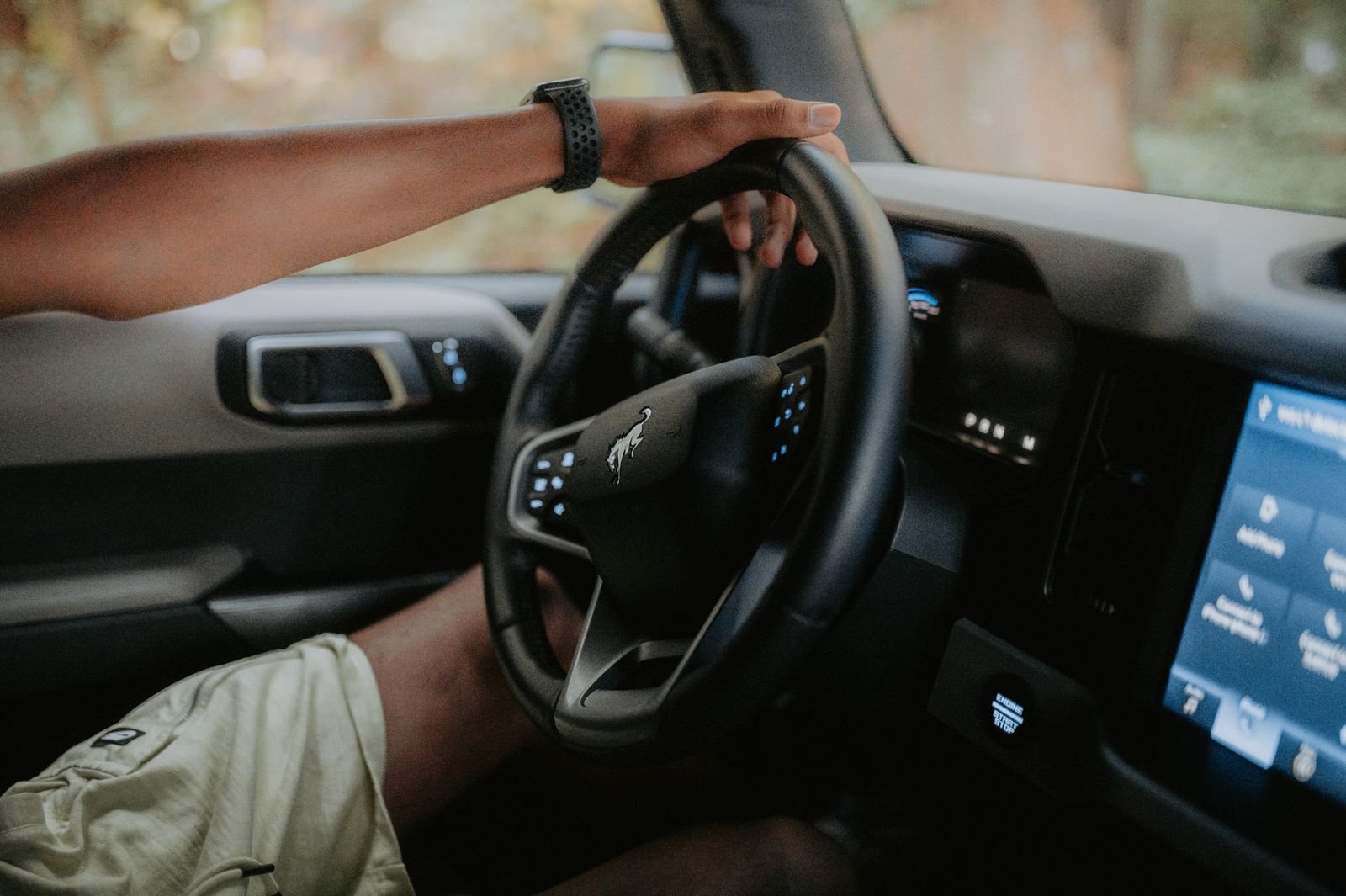
Most drivers learn the rules of the road once, when they get a licence, and never think about them again. Years pass, habits form, and some of those habits are not good ones. An online defensive driving class is a simple way to refresh what you know and become a safer driver — all from home, on your own schedule. It is about paying attention, spotting danger early, and reacting before a small problem becomes a crash.
What Is Defensive Driving?
Defensive driving means protecting yourself from the mistakes of others as well as your own. Other road users can make errors at any time — a car may pull out without looking, or the driver ahead may brake suddenly. Instead of reacting in panic, a defensive driver is already prepared.
The core habits are simple: keep a safe following distance, scan the road ahead, check your mirrors regularly, and expect the unexpected at junctions and in bad weather. Above all, never let a phone or tiredness take your attention from the road. The hard part is doing these things every time you drive — and that is exactly what a good course trains into habit.
How Online Defensive Driving Classes Work
An online defensive driving class is a structured course delivered through a website. You sign up, log in, and work through lessons at your own pace — no classroom, no fixed timetable, which is why so many people choose the online option.
What the Course Looks Like
Most courses mix short reading passages, videos, diagrams, and quick quizzes — a lesson might explain wet-road stopping distances, show a short video, then ask two or three questions to check you understood. The format is similar to other online learning — see our guide to the best online learning sites. You can log in and out as often as you like; the course saves your place.
How Long Does It Take, and Is There a Test?
Many courses take around four to eight hours in total, spread over several sessions. Some states set a minimum length for courses that count towards ticket dismissal or a discount, so an approved course may track your time on each section. Most end with a short multiple-choice test, and many let you retake it. For a ticket or court requirement, the provider usually sends a certificate to you — and in some states, directly to the court or DMV — so check in advance who must submit it.
What You Will Learn: Typical Course Topics
Every course is a little different, but most online defensive driving classes cover the same core subjects.
Road awareness and risk. The first lessons explain why crashes happen and how to reduce risk: scanning ahead, keeping a space cushion around your vehicle, and watching blind spots, so you have time to react calmly instead of braking at the last second.
Speed, following distance, and stopping. You learn how stopping distance grows with speed, why tailgating is dangerous, and how rain, fog, ice, and darkness mean more space and more time — and when to double your following distance.
Dealing with other drivers. You cannot control other drivers, but you can control your response: handling aggressive drivers, and sharing the road with trucks, motorcycles, cyclists, and pedestrians. Do not compete, do not retaliate — create space.
Distraction, tiredness, and impairment. Using a phone, driving tired, and driving after drinking or taking certain medicines are covered in detail. Even a few seconds of looking away can cause a crash, so the course offers practical strategies, like putting your phone out of reach before you start the car.
Bad weather and emergencies. Finally, most courses teach what to do if your car skids, how to handle a tyre blowout, and how to drive in heavy rain or fog — skills most drivers never practise until they need them.
Who Should Take an Online Defensive Driving Class?
Defensive driving courses are not only for people who have done something wrong. Many drivers take one voluntarily, and for good reasons.
New and young drivers. Recently passed your test? A course builds on driving school with real-world judgement that normally only comes with experience.
Drivers clearing a traffic ticket. In some US states, an approved course can lead to a ticket being dismissed or points kept off your record. Rules differ by state, so check with your court or DMV before enrolling.
Drivers looking for an insurance discount. Some insurers offer a discount for completing an approved course, but it is not guaranteed. Ask your insurer what they accept and how much the discount would be before you pay.
Nervous or returning drivers. If you have not driven for a long time, or you feel anxious on busy roads, a refresher at your own pace can rebuild confidence — and you can repeat any lesson.
Anyone who wants to be safer. Every driver benefits from a refresher. Driving is the most dangerous thing most of us do daily, and a few hours of training is a small price for safer habits.
How to Choose a Legitimate Course
Not every course sold online is worth your money — some will not count for ticket dismissal or insurance at all — so a little checking before you pay can save you a wasted fee.
First, check state approval. If you need the course for a ticket, a court order, or an insurance discount, it must be approved by the relevant authority in your state — your DMV website or the court can confirm which providers qualify.
Second, look for a clear, honest description: course length, topics, test format, certificate delivery, and what happens if you do not pass. Be cautious of any provider promising a guaranteed dismissal or discount — no provider can promise what a court or insurer will decide.
Third, check reviews and support: recent reviews from real students and a way to reach the provider by phone, email, or live chat. Compare prices too — a course far cheaper than the rest deserves a closer look — and read the refund policy before you pay.
Tips for Getting the Most Out of Your Course
Treat the course like real learning, not a box to tick. Take notes, and think about how each lesson applies to roads you drive every day. Spend extra time on following distance, blind spots, and bad weather. After you finish, practise one new habit on your very next drive. If you enjoy learning online, you may also like free GED classes online or structured lessons on online learning platforms for math.
Frequently Asked Questions
Are online defensive driving classes accepted everywhere?
No — it depends on your state and your reason for taking the course. Some states accept approved online courses for ticket dismissal; others require an in-person class. Check with your court or DMV first.
Can an online defensive driving class lower my insurance?
It can, in some cases. Some insurers offer a discount for an approved course, but it is not universal. Ask your insurer what they accept before you pay.
How long does an online defensive driving course take?
Most take around four to eight hours in total, though some states set a minimum for approved courses. You can spread it over several days or finish it in a weekend.
Do I need to take a test at the end of the course?
Most courses end with a short multiple-choice test. Many providers let you retake it if you do not pass, though the number of attempts varies — check the rules before you start.
Conclusion
Online defensive driving classes make it easy to become a safer driver without rearranging your life. You learn at your own pace, from home, and come away with practical skills — scanning ahead, keeping a safe distance, handling bad weather, and staying calm around difficult drivers. Whatever your reason — a new licence, a ticket, an insurance discount, or a refresher — choose a legitimate, state-approved course, check your state’s rules first, and use what you learned on every drive.
Therenweb is an independent guide and is not affiliated with FACTS, RenWeb, or any driving school or course provider mentioned in this article.