
Cooking is one of those skills that rewards you every single day. A good home-cooked meal saves money and tastes better than takeaway. Today, you can learn to cook online at your own pace, in your own kitchen, often for free — no culinary school required.
With so many videos, courses, apps and recipe sites available, the hardest part is knowing where to start. This guide covers each option and how to choose the right one for your level.
Why Learning to Cook Online Works
Online learning suits cooking well because cooking is a practical skill. You watch someone do something, then try it yourself straight away. A video shows you exactly how finely to chop an onion or what a sauce should look like when it thickens.
It is also flexible: learn after work, practise one recipe on a Sunday, or replay a technique as many times as you need. Because you learn in your own kitchen, everything transfers directly to real meals.
Free Video Lessons
For most people, free video lessons are the best place to begin. YouTube is the biggest source by far, and it costs nothing to start. You can find channels for almost every style of cooking: everyday family meals, baking, vegetarian cooking and regional cuisines.
The strength of video is that you can see the technique — how to hold a knife safely or how long to fry something before it turns golden. The weakness is structure: a video teaches one dish at a time, so follow a channel or playlist in order, and look for creators who explain why they do things.
Recipe Sites with Step-by-Step Guides
Recipe websites are the second pillar of learning to cook online. Sites like BBC Good Food publish thousands of tested recipes, many with step-by-step photos, cooking times and user reviews. They are ideal when you know roughly what you want to cook and need a reliable recipe to follow.
The best recipe sites explain techniques in plain language and suggest substitutions. Use them to build a small collection of meals you can cook confidently: aim for five or six reliable dishes first — a pasta dish, a stir-fry, a soup, a roast, a curry and a salad. Once you can cook those without constantly checking the recipe, every new recipe becomes easier.
Structured Online Cooking Courses
If you want a clear path from beginner to confident cook, a structured online course is worth considering. Platforms such as Udemy and Skillshare offer courses that take you through skills in order, lesson by lesson. MasterClass takes a different approach: well-known chefs teach their own style and philosophy of cooking, which suits learners who already have the basics.
Structured courses remove the guesswork — someone has already decided what you should learn first, second and third — and many include practice assignments. Before paying, check what a course covers: a beginner course should teach knife skills, heat control, seasoning and food safety, not just ten recipes. If you are comparing learning platforms more broadly, our guide to the best online learning sites explains how the major options differ and what to look for before you enrol.
Live Online Classes
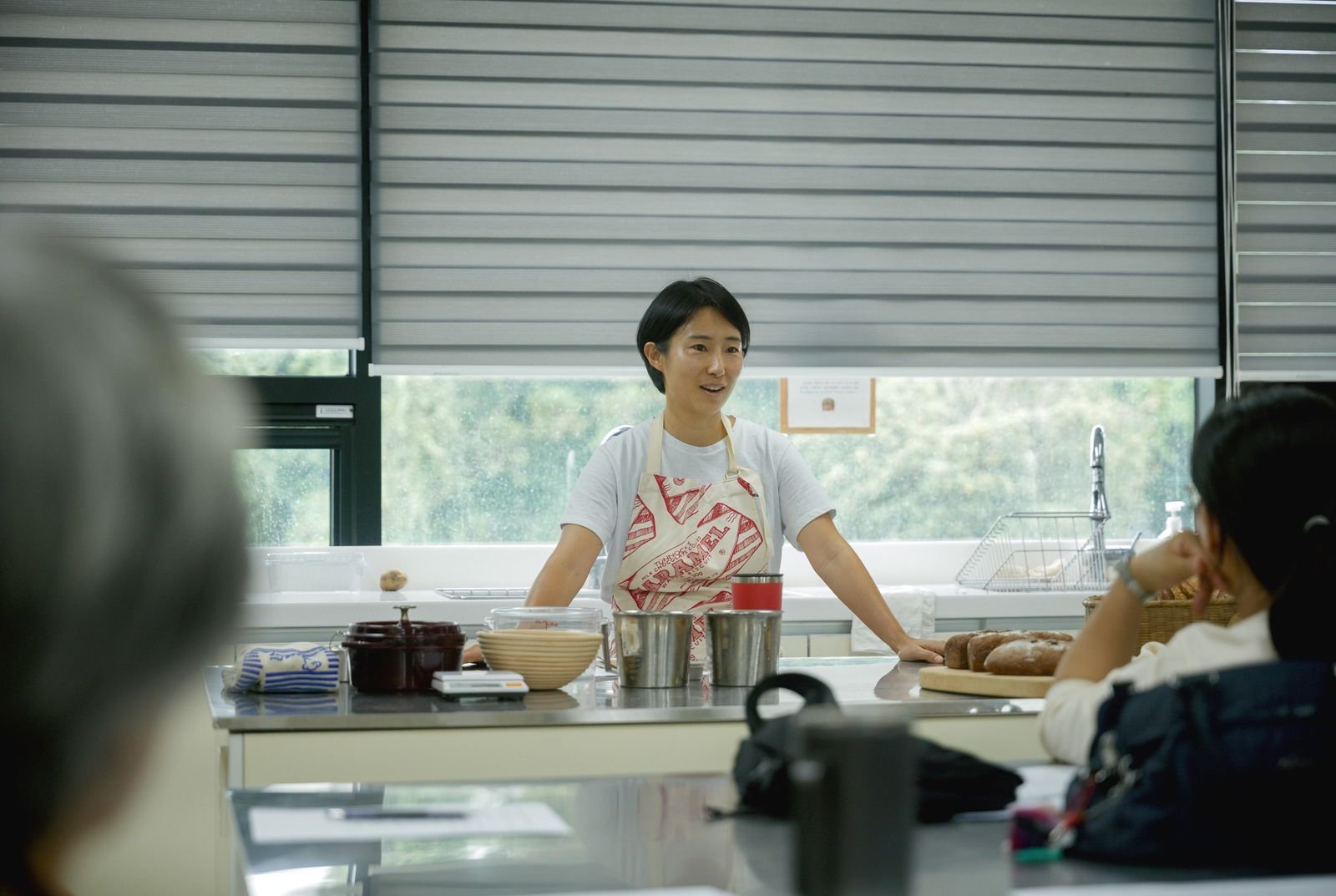
Live online cooking classes sit between a video and a real classroom. You join at a set time, cook along with an instructor in real time, and can ask questions as you go.
The main advantage is feedback. If your dough looks wrong or your sauce is splitting, you can ask the instructor right there. That live interaction is something pre-recorded videos cannot offer, and having a class booked makes you much more likely to actually cook that week. Live classes usually cost more than recorded courses, and you need to be available at the scheduled time with ingredients ready. The same discipline that helps with online classes to become an LPN applies here too.
Cooking Apps
Cooking apps are a handy option if you mostly learn on your phone. Many recipe apps let you search by the ingredients you already have, save favourites, build shopping lists, and follow step-by-step instructions with timers built in. Apps work best as a companion rather than your main teacher: excellent for finding a recipe quickly on a busy evening, but they rarely teach cooking fundamentals in depth.
How to Choose by Your Level
Complete Beginner
If you can barely boil an egg, start with free video lessons and simple recipe sites. Focus on one-pot meals, sheet-pan dinners, stir-fries and soups — dishes that are forgiving and hard to ruin.
Home Cook Wanting to Improve
If you can already cook a few meals, a structured course or a series of live classes will help most. Pick one area to improve — knife skills, sauces, baking, or a cuisine you love — and work on it for a month.
Specific Cuisines or Skills
If you want to master baking, Thai food or sourdough, look for a teacher or course that focuses on that area. A specialist course teaches the details that make the difference, such as how humidity affects bread dough or how to balance flavours.
Essential Skills to Learn First
Knife skills. Learn to hold a knife safely, keep your fingertips tucked away, and practise a steady rocking chop. A sharp knife is safer than a blunt one.
Heat control. Most cooking problems come down to heat. Too high and food burns outside while staying raw inside; too low and it steams instead of browning. Give pans time to heat up before adding food.
Seasoning. Salt is not just about making food salty — it brings out flavour. Taste as you cook and season in small amounts at different stages.
Food safety. Wash your hands and surfaces, keep raw meat away from foods you will eat raw, cook meat to a safe temperature, and cool and store leftovers properly.
Equipment You Actually Need to Start
You do not need a kitchen full of gadgets. A good chef’s knife, a cutting board, a large frying pan, a medium saucepan, a baking tray, a wooden spoon and a spatula cover most beginner recipes. A kitchen scale helps with baking, where accuracy matters more. Avoid buying specialist tools before you need them — practice makes you a better cook, not gadgets.
Tips for Practising Regularly
Cook at least three times a week, even if the meals are simple. Repetition turns a recipe into a skill, so cook the same dish two or three times before moving on. Plan your meals for the week: choose recipes in advance, shop once, and you will be far less likely to give up and order takeaway. After each meal, note one thing to change next time. Finally, accept that some dishes will go wrong. Work out what happened, adjust, and try again.
Frequently Asked Questions
Can I learn to cook online for free?
Yes. Free video lessons and recipe sites cover everything from basic knife skills to full meals, and they are more than enough to become a confident home cook. Paid courses are mainly useful if you want a structured path or live feedback.
How long does it take to learn to cook?
You can cook a simple, tasty meal within a week or two of starting. Becoming a confident home cook usually takes a few months of regular practice.
Do I need expensive equipment to learn cooking online?
No. A sharp knife, a cutting board, a frying pan, a saucepan and a baking tray are enough to start. Good technique matters far more than expensive equipment.
Are online cooking classes as good as in-person classes?
They can be, especially live classes where you can ask questions in real time. Pre-recorded courses are excellent for learning at your own pace, but they cannot watch you cook and correct you.
Conclusion
There has never been a better time to learn to cook online. Free video lessons and recipe sites can take you from complete beginner to confident home cook without spending anything, while structured courses and live classes offer guidance and feedback when you are ready to go further. The best option is the one you will actually use — so pick a route that fits your level, your budget and your schedule, and start with the basics.
Therenweb is an independent education guide.